Spindle Maintenance
Keep the spindle clean and check for unusual noise, vibration or overheating. Inspect the cooling system, air supply and spindle condition according to the manufacturer's maintenance recommendations.
Regular CNC router maintenance helps maintain machining accuracy, improve machine performance and reduce unexpected downtime. Learn essential cleaning procedures, routine inspections and preventative maintenance practices to keep your CNC machine operating reliably. Forza Machinery provides professional CNC servicing, repairs, technical support and spare parts across Melbourne, regional Victoria and Australia.
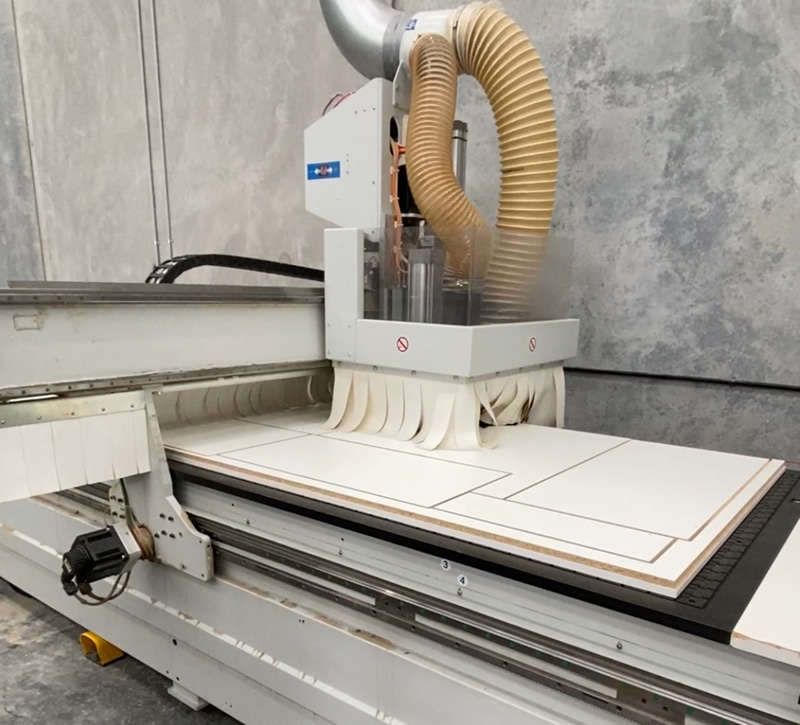
CNC routers are precision machines that rely on mechanical, electrical and control systems to deliver accurate machining results. Key components include the spindle, drive motors, linear guides, ball screws, vacuum system, tool changer and CNC controller. Keeping these components clean, inspected and properly maintained helps ensure consistent performance and machining accuracy.
Dust buildup, worn components, poor lubrication and neglected maintenance can affect machine operation and lead to unexpected downtime. A regular maintenance routine helps identify potential problems early, reduce repair costs and extend the working life of your CNC router. Following the manufacturer's maintenance recommendations is essential for reliable operation.
Regular CNC router maintenance helps maintain machining accuracy, reduce component wear and prevent unexpected breakdowns. Following a consistent maintenance routine keeps your machine operating reliably and extends its service life.
Keep the spindle clean and check for unusual noise, vibration or overheating. Inspect the cooling system, air supply and spindle condition according to the manufacturer's maintenance recommendations.
Clean linear guides and ball screws regularly to remove accumulated dust and debris. Check lubrication levels, inspect moving components and follow the recommended lubrication schedule to minimise wear.
Inspect vacuum filters, hoses, seals and connections. Clean or replace filters when required and check vacuum pump performance to maintain reliable panel holding during machining.
Keep electrical cabinets clean and free from excessive dust. Check cooling fans, ventilation, cable condition and controller operation. Electrical inspections and repairs should be carried out by qualified technicians.
A CNC router contains mechanical, electrical and pneumatic components that require regular inspection and maintenance. Following a consistent maintenance routine helps protect machine accuracy, reduce component wear and prevent unexpected production downtime. Here are 13 important areas to include in your CNC router maintenance schedule.

Keep CNC software and controller settings organised. Check program files, machine parameters and backup configurations regularly. Keep the control interface clean and ensure software updates are compatible with the machine.

Inspect the spindle and drilling units for unusual noise, vibration and signs of wear. Keep surrounding areas clean and check the cooling system, air supply and operating condition according to manufacturer recommendations.

Keep the automatic tool magazine clean and free from dust and wood debris. Inspect tool holders, clamping positions, sensors and moving components. Check tool changing operation regularly.

Check spindle cooling systems, ventilation and air circulation regularly. Keep cooling passages clean and monitor operating temperatures. Follow the manufacturer's recommendations for spindle inspection and servicing.

Clean the vacuum table regularly to remove dust, wood chips and machining debris. Inspect sealing surfaces, vacuum zones and connections. Keep the table surface in good condition to ensure reliable panel holding.

Inspect vacuum pumps, filters, hoses and connections. Clean or replace filters as required and check for air leaks. Follow the recommended maintenance schedule for pump oil, seals and other service components, depending on the pump type.

Keep the automatic tool measuring device clean and free from dust and chips. Check sensor condition, mounting and operation. Periodically verify tool measurement accuracy to maintain consistent cutting depths and machining results.

Clean drilling units and remove accumulated dust after production. Inspect drill bits, spindles and tool connections for wear or damage. Check alignment and replace worn cutting tools to maintain accurate drilling results.

Check lubrication oil levels, distribution lines and pump operation regularly. Ensure linear guides, bearings and ball screws receive the correct lubrication. Use the recommended lubricant and maintenance intervals specified by the manufacturer.

Keep remote controls and operator panels clean. Inspect buttons, cables, batteries and communication connections. Check emergency stop functions and other operator controls as part of routine machine safety inspections.

Inspect multi-spindle drilling heads for wear, unusual noise and loose components. Keep spindle areas clean, check drill bit condition and ensure all drilling units operate correctly. Replace worn components when necessary.

Clean ISO-30 tool holders and spindle taper contact surfaces regularly. Inspect holders, collets and cutting tools for damage or wear. Ensure tools are correctly seated and securely clamped before starting machining operations.

Inspect the automatic unloading pusher, guides, pneumatic components and sensors. Remove dust and debris from moving parts and check mechanical operation. Ensure safety devices and positioning systems function correctly.
Regular maintenance is essential for keeping CNC routers accurate, reliable and productive. Forza Machinery supports woodworking businesses with professional machinery servicing, repairs, technical assistance and spare parts. Our focus is helping customers maintain their equipment, reduce unexpected downtime and extend machine service life.
With over 25 years of industry experience, we understand the importance of reliable woodworking machinery and preventative maintenance. We provide practical advice and technical support to help businesses maintain consistent production performance.
Regular inspections and scheduled servicing help identify worn components before they cause major problems. We assist with CNC router maintenance, mechanical inspections, component replacement and machine servicing to keep equipment operating reliably.
Our technicians assist with CNC router faults, controller alarms and mechanical or electrical problems. We provide troubleshooting, diagnostics and repair support for spindle systems, drive motors, vacuum equipment, automatic tool changers and other machine components.
We supply and source CNC router spare parts and replacement components, including cutting tools, spindle components, motors, sensors, vacuum system parts and electrical components. Availability depends on the machine brand and model.
Need help with a maintenance issue or servicing requirement? Contact our team with your machine brand, model and serial number. Photos of the machine, affected components or controller messages can help us understand your requirements and recommend the appropriate support.
At Forza Machinery, our commitment goes beyond machinery sales. We provide ongoing after-sales service, technical support and spare parts to help keep your woodworking equipment running and your production moving.
Request a Service QuoteA consistent CNC router maintenance schedule helps prevent premature component wear, maintain machining accuracy and reduce unexpected production downtime. Regular cleaning, lubrication and inspection of mechanical, electrical and pneumatic components are essential for reliable machine operation.
Following the manufacturer's maintenance recommendations and arranging professional servicing when required can extend machine life and improve production reliability. Use the following checklist when inspecting your CNC router:
Regular maintenance helps maintain machining accuracy, reduce component wear and prevent unexpected breakdowns. Cleaning, lubrication and routine inspections also help extend machine life and improve production reliability.
Service frequency depends on the machine model, operating hours and production workload. Follow the manufacturer's maintenance schedule and arrange professional servicing at the recommended intervals. Machines operating daily under heavy workloads may require more frequent inspections.
Daily maintenance should include removing dust and wood chips, cleaning the machine table, inspecting cutting tools and checking the vacuum system. Check lubrication levels and look for unusual noise, vibration or other signs of abnormal operation.
Keep the spindle housing and surrounding areas clean and free from dust. Inspect the spindle taper and tool contact surfaces, check the cooling system and monitor operating temperatures. Follow the manufacturer's instructions for spindle cleaning and servicing.
Lubrication frequency depends on the machine design, operating conditions and manufacturer's recommendations. Check the automatic lubrication system, oil levels and distribution lines regularly. Use the specified lubricant to protect moving components from premature wear.
Regularly inspect vacuum filters, hoses, seals and connections. Remove dust buildup, check for air leaks and monitor vacuum pressure. Keeping the vacuum system clean helps maintain reliable workpiece holding during machining.
Filter cleaning frequency depends on dust levels, operating hours and pump type. Inspect filters regularly and clean or replace them according to the manufacturer's instructions. Blocked filters can reduce vacuum performance and affect panel holding.
Keep the tool magazine and tool holders clean and free from dust and wood chips. Inspect sensors, clamping mechanisms and moving components regularly. Check tool positions and ensure the tool changing sequence operates correctly.
Inspect cutting tools for wear, damage and buildup of resin or machining debris. Keep ISO-30 tool holders, collets and spindle taper contact surfaces clean. Replace damaged tools and holders to maintain machining accuracy and safe operation.
Check oil levels, lubrication lines, distribution points and pump operation. Ensure the system delivers the correct lubricant to linear guides and ball screws. Follow the recommended lubrication schedule and investigate any lubrication alarms.
Yes. Dust accumulation can affect electrical components and cooling performance. Keep cabinet ventilation areas clear and arrange regular inspections of cooling fans, filters and electrical connections. Electrical cabinet cleaning and servicing should be performed by qualified personnel with the machine safely isolated.
Warning signs include unusual spindle noise, excessive vibration, overheating, inaccurate machining, reduced vacuum pressure, lubrication alarms and unexpected machine stops. Arrange an inspection if these problems occur rather than allowing further component damage.
Preventative maintenance helps identify worn components, lubrication problems and potential faults before they develop into major failures. Although it cannot prevent every breakdown, regular inspections and servicing improve machine reliability and help reduce downtime.
Operators can usually perform routine cleaning, visual inspections and basic maintenance tasks specified in the machine manual. Electrical repairs, spindle servicing, calibration and complex mechanical work should be carried out by appropriately qualified technicians.
Yes. Forza Machinery provides woodworking machinery servicing, repairs, technical support and spare parts. Contact our team to discuss CNC router maintenance, servicing requirements and machine repairs.
Yes. We supply and source CNC router spare parts and components, including motors, sensors, cutting tools, spindle components and vacuum system parts. Availability depends on the machine brand and model.
Forza Machinery is based in Pakenham, Victoria. We support woodworking businesses across Melbourne and regional Victoria, with machinery and parts support for customers throughout Australia. Contact our team to discuss your requirements.
Contact Forza Machinery or submit a request through our quote form. Provide your machine brand, model, serial number and a description of your maintenance or servicing requirements. Photos of the machine or affected components can also help us assess the work required.
Regular CNC router maintenance helps maintain machining accuracy, reduce unexpected breakdowns and extend machine service life. Cleaning, lubrication, spindle checks and routine inspections are essential for reliable operation.
Forza Machinery provides CNC machinery, technical support, servicing and spare parts for woodworking businesses. Whether you need maintenance advice, help diagnosing a fault or professional repairs, our team can assist.

Explore CNC routers for precision cutting, drilling, profiling and machining. Find the right machine for your workshop, production volume and woodworking requirements.
View CNC Routers →
Discover NikMann CNC nesting machines designed for efficient panel processing, accurate cutting, automatic tool changing and drilling in cabinet making and furniture production.
View NikMann-3618 →
Experiencing spindle faults, controller alarms, positioning errors or machining accuracy problems? Contact Forza Machinery for CNC troubleshooting, maintenance, repairs and spare parts support.
Explore Technical Support →Keep your CNC router running reliably with regular maintenance, professional servicing and expert technical support. Contact Forza Machinery for troubleshooting, repairs, spare parts and CNC maintenance assistance throughout Melbourne and Victoria.