WOODWORKING MACHINERY BUYING GUIDE

How to Choose the Right Edgebander for Your Workshop

Choosing the right edgebander can improve edge quality, save time and increase productivity. Compare machine types, EVA and PUR glue systems, pre-milling, corner rounding and automation. Find the right machine for your workshop, production needs and budget.

Request a Quote Call 1300 4 FORZA
Machine Selection Choose the right edgebander for your workshop
EVA & PUR Glue Systems Compare adhesive options for your applications
Finishing & Automation Pre-milling, trimming and corner rounding options
Australia-Wide Support Machinery sales, service and spare parts
EDGEBANDER MACHINERY BASICS

What Is an Edgebander?

Apply clean, durable edges to panels and improve production in your woodworking workshop.

01

Clean and Consistent Edge Finishing

An edgebander applies edging to the exposed edges of panels. It creates a neat, durable and professional finish. Depending on the machine, the process can include glue application, edge pressing, end trimming, top and bottom trimming, corner rounding, scraping and buffing.

Edgebanders are used to finish panels made from particleboard, MDF and other suitable board materials. Common edging options include PVC, ABS, veneer and other compatible edge tapes.

The right edgebander can improve finish quality and reduce manual work. It can also help your workshop produce more panels in less time. Your choice will depend on panel size, edging material, glue type, production volume and required automation.

WHY EDGEBANDING?

Key Benefits for Your Workshop

The right machine can improve edge quality and make production more efficient.

✓

Professional Edge Finish

Produce clean, smooth edges on cabinets, furniture and joinery panels.

✓

Faster Production

Automate edge finishing and reduce time spent on manual work.

✓

EVA and PUR Glue Options

Choose a glue system to suit your materials and finish requirements.

✓

Advanced Finishing Features

Add pre-milling, corner rounding, scraping and buffing to suit your work.

✓

Automation Options

Choose a compact or fully automatic edgebander to match your production needs.

COMPARE MACHINE TYPES

Which Type of Edgebander Do You Need?

Edgebanders come in different sizes and configurations. Your choice depends on your panel sizes, edging materials, production volume and finish requirements. Compare the main types below to find the right machine for your workshop.

01 SMALL WORKSHOPS

Compact Edgebanders

Compact edgebanders are ideal for small workshops, cabinet makers and custom furniture businesses. They offer a practical way to improve edge finishing without the cost or space needed for a large production machine. Available functions depend on the model and configuration.

What to consider

  • Suitable panel thickness and edging materials
  • Minimum and maximum panel dimensions
  • Available trimming and finishing functions
  • Production needs and workshop space
02 EVERYDAY PRODUCTION

Automatic Edgebanders

Automatic edgebanders combine several finishing steps in one machine. They can apply glue, press edging onto the panel, trim excess material and finish the edges. These machines help cabinet makers and joinery businesses improve output and achieve consistent results.

What to consider

  • Feed speed and daily production targets
  • Glue system, pressure rollers and trimming units
  • Panel sizes and edging material range
  • Ease of operation, cleaning and maintenance
03 ENHANCED FINISHING

Edgebanders with Pre-Milling and Corner Rounding

Some edgebanders include pre-milling units to prepare panel edges before glue is applied. Corner-rounding units trim the front and rear corners of suitable panels for a smooth finish. Scraping and buffing units can provide further finishing.

What to consider

  • Panel edge quality before processing
  • Required corner-rounding shape and finish
  • Edging thickness and panel dimensions
  • Available finishing units and adjustments
04 ADHESIVE OPTIONS

PUR Edgebanders and Glue Systems

PUR glue systems are used where strong bonding and greater resistance to moisture and heat are important. EVA remains a common choice for many everyday applications. The best option depends on your materials, finish requirements and production process. Some machines offer interchangeable glue systems, while others need a dedicated setup.

What to consider

  • EVA or PUR glue and required bond performance
  • Glue pot design, cleaning and handling
  • Compatible edging materials and panel types
  • Manufacturer instructions and maintenance needs
FIND THE RIGHT CONFIGURATION

Choose an Edgebander for Your Workshop

Explore our range of woodworking edgebanders. Talk to Forza Machinery about your panel sizes, edging materials, finish requirements and production targets before choosing your machine.

Explore Edgebanders
EDGEBANDER BUYING GUIDE

Key Features to Compare When Choosing an Edgebander

Edgebanders offer different features and finishing options. Compare the glue system, trimming units, corner rounding and buffing stations. Also consider production speed, maintenance and available technical support. Choose a machine that suits your materials, workload and workshop.

Pre-milling station on a NikMann automatic edgebander
01

PRE-MILLING UNIT

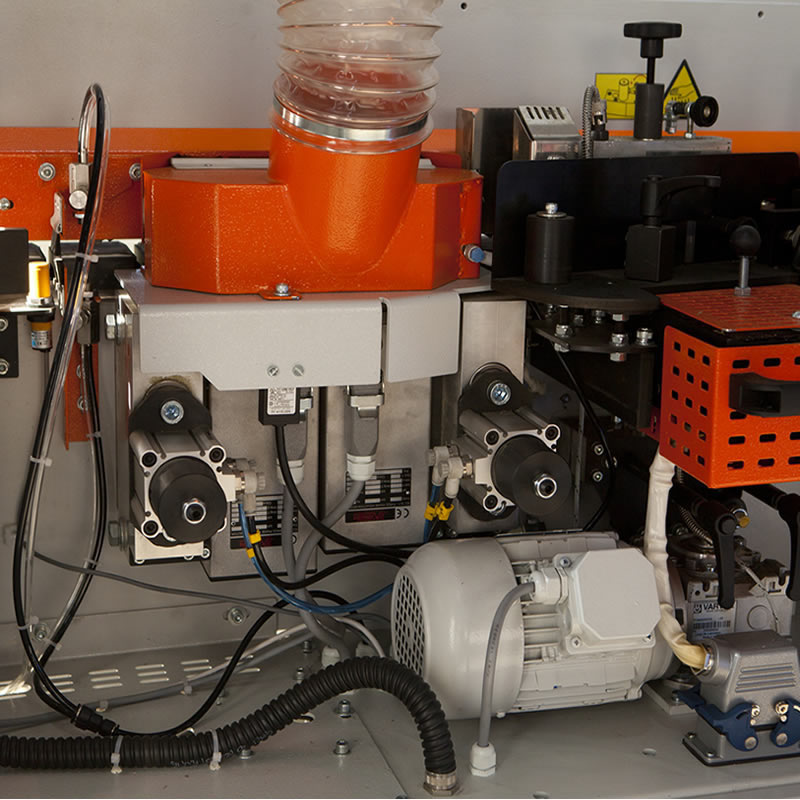
Pre-milling prepares the panel edge before glue application. It removes small imperfections left by panel cutting. This helps create a clean surface for edging. Consider pre-milling if your work requires a consistent, high-quality finish.

Teflon hot-melt glue pot on a NikMann edgebander
02

GLUE SYSTEM & ADHESIVE

The glue system affects bonding, cleaning and daily operation. Compare EVA and PUR options, glue pot design and temperature control. Check that the machine suits your edging materials and preferred adhesive. Also consider glue pot cleaning and maintenance.

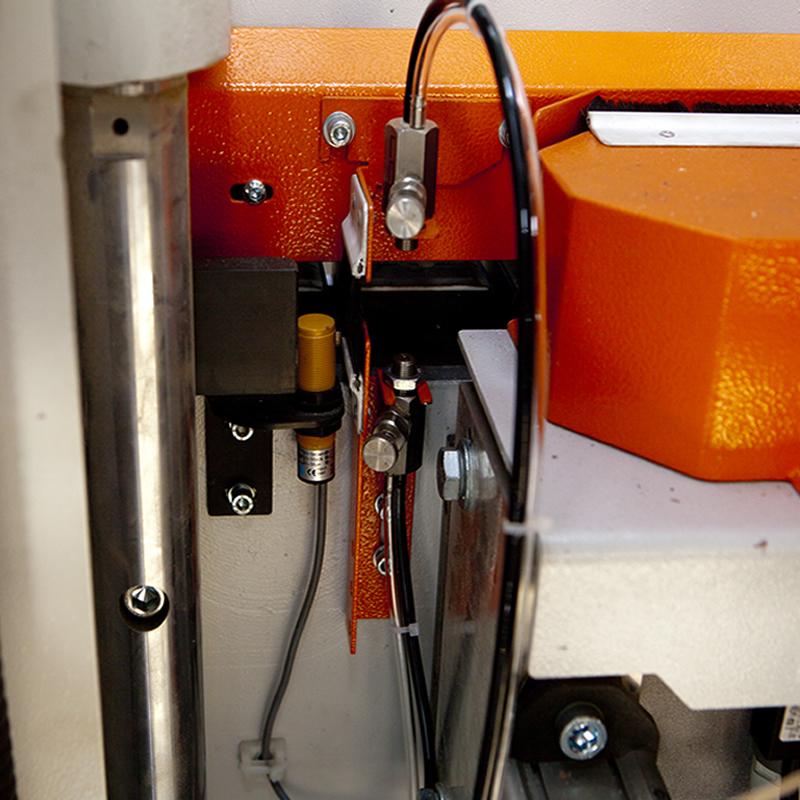
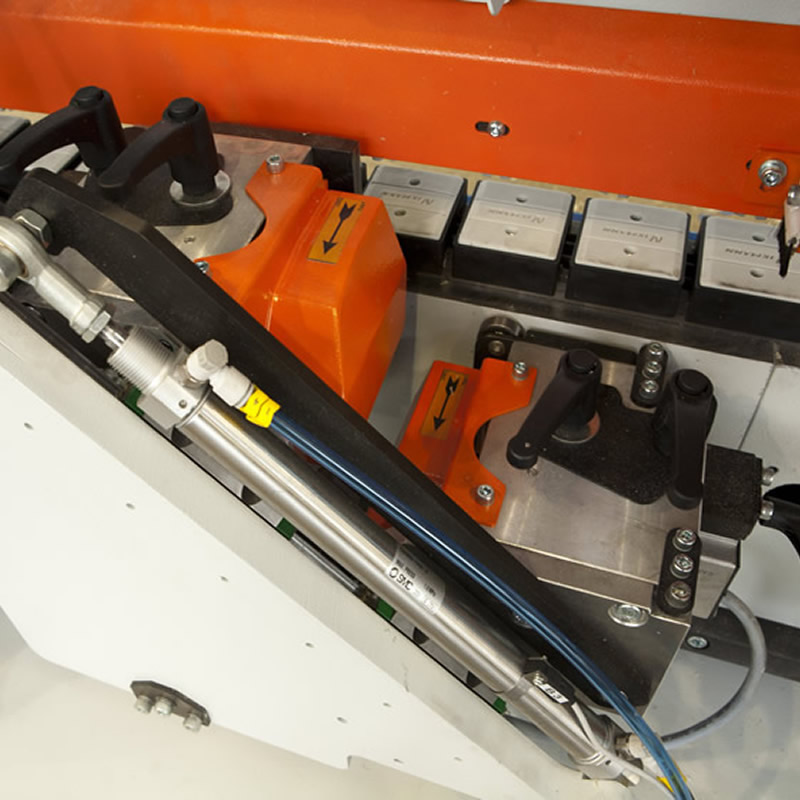
Edge feeding and guillotine mechanism on an automatic edgebander
03

EDGE FEEDING & PRESSURE ROLLERS

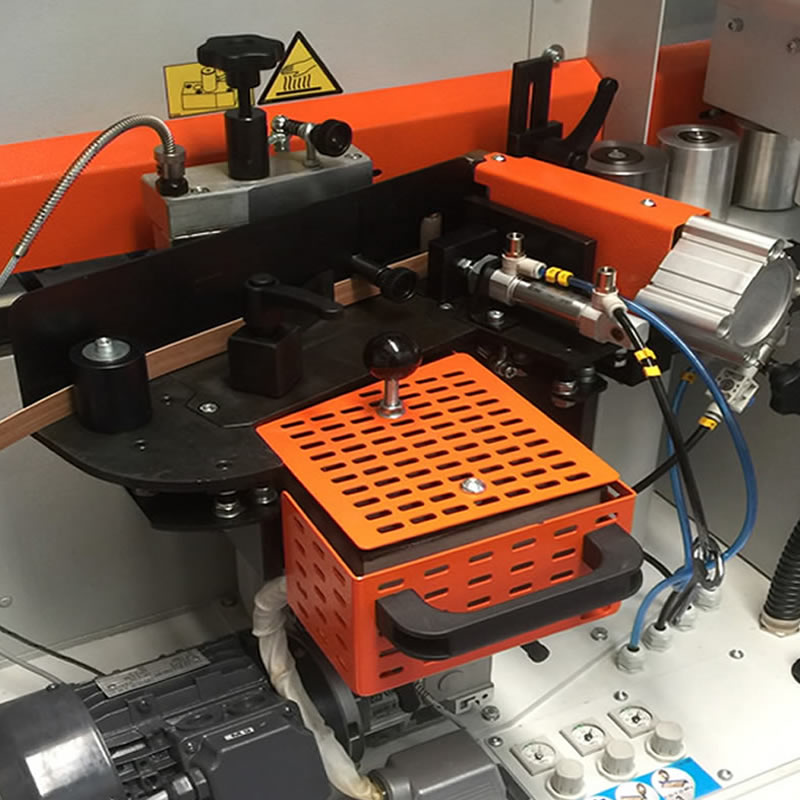
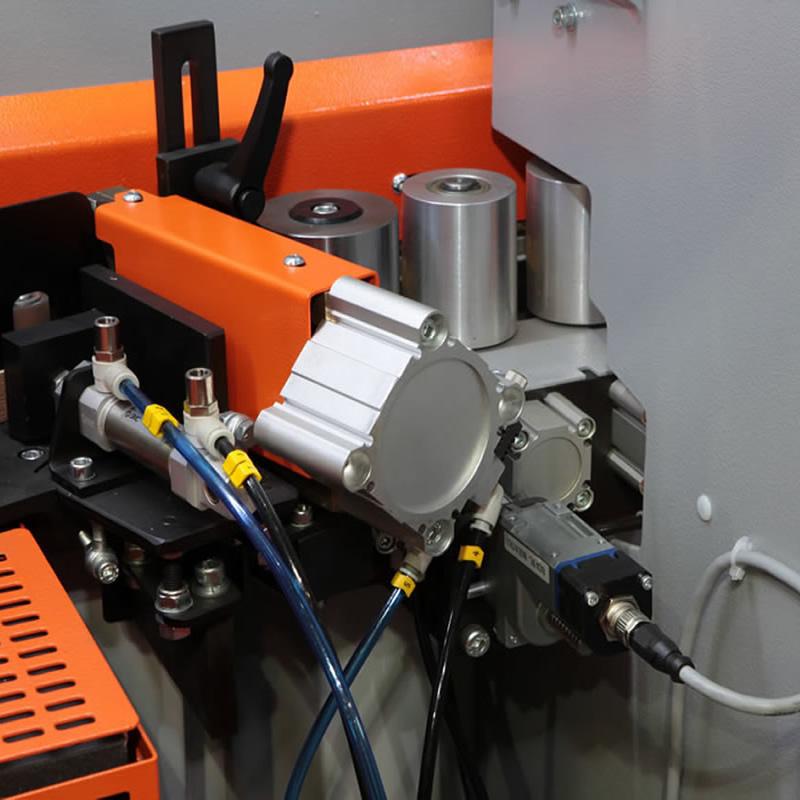
The feeding system guides the edging material onto the panel. Pressure rollers then help secure it in place. Compare automatic feeding, guillotine operation and roller configuration. Make sure the machine supports your required edging thickness and materials.

Front and rear end trimming saws on a NikMann edgebander
04

FRONT & REAR END TRIMMING

End trimming removes excess edging from the front and rear of the panel. This creates a clean edge at both ends. Compare the trimming system, panel size limits and cutting performance to suit your typical production work.

Top and bottom fine trimming units on an automatic edgebander
05

TOP & BOTTOM FINE TRIMMING

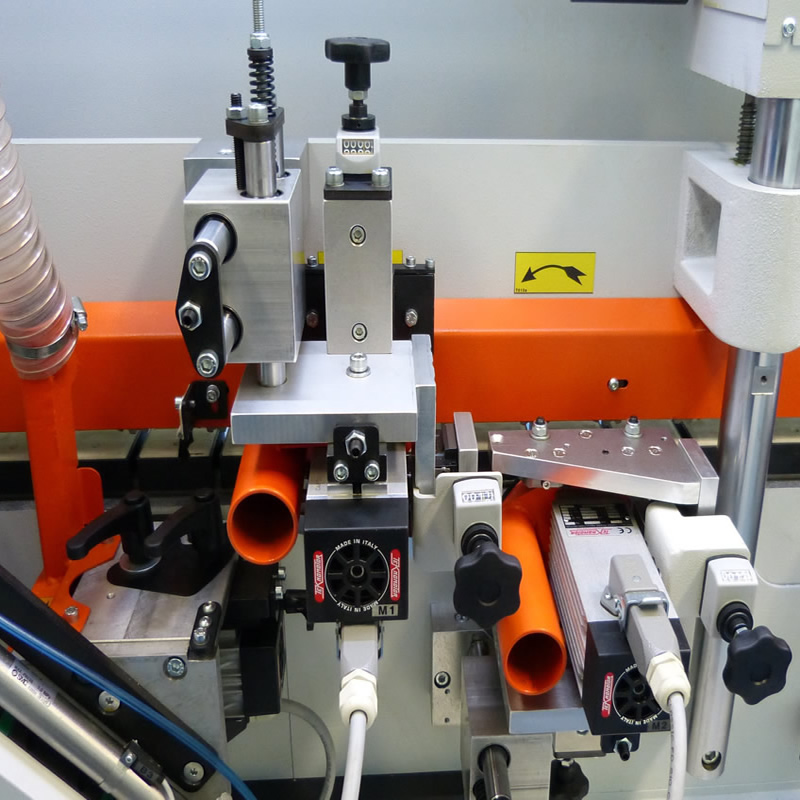
Fine trimming removes excess edging from the top and bottom of the panel. It creates a neat, flush finish. Compare adjustment options, supported edging materials and the level of finish you need. Some machines also offer servo-driven trimming.

Twin corner rounding units on a NikMann automatic edgebander
06

CORNER ROUNDING

Corner rounding trims the front and rear corners of suitable panels after edging. It creates a smoother finish and reduces manual work. Check the number of corner-rounding units, available profiles and supported panel and edging sizes.

Round scraping unit for finishing edges on an edgebander
07

ROUND SCRAPING

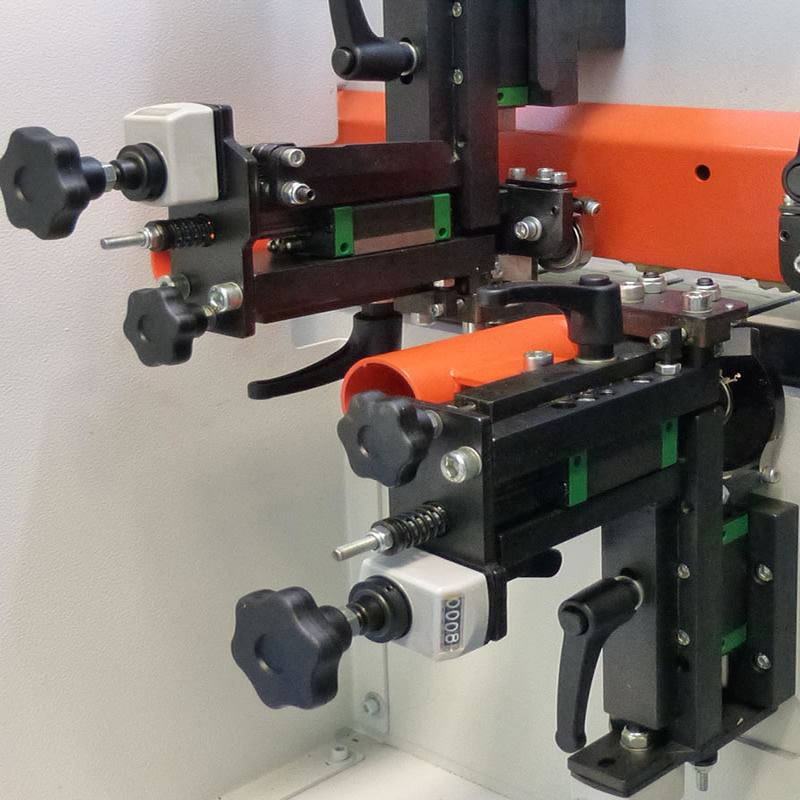
Round scrapers refine the edge profile after trimming. They help remove small machining marks and improve the finished appearance. Check the available scraper profiles, adjustment options and access for cleaning or replacing the tooling.

Glue scraping unit on a NikMann automatic edgebander
08

GLUE SCRAPING & CLEANING

Glue scrapers help remove visible adhesive residue from the finished panel. Some machines also include cleaning spray systems. Check which units are fitted and what cleaning products and maintenance your chosen glue system requires.

Buffing units for final edge finishing on an edgebander
09

BUFFING UNITS

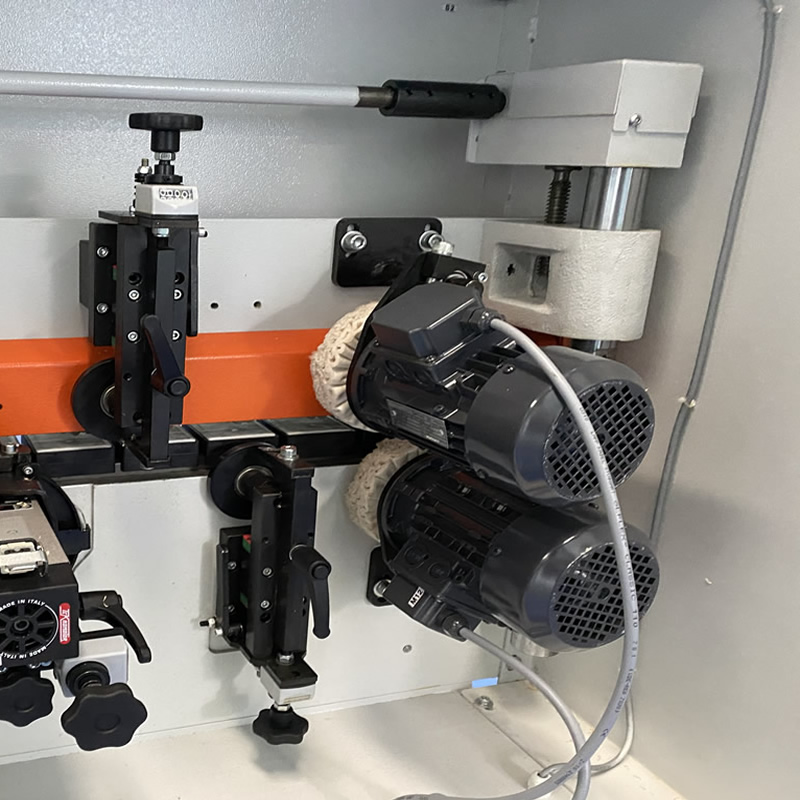
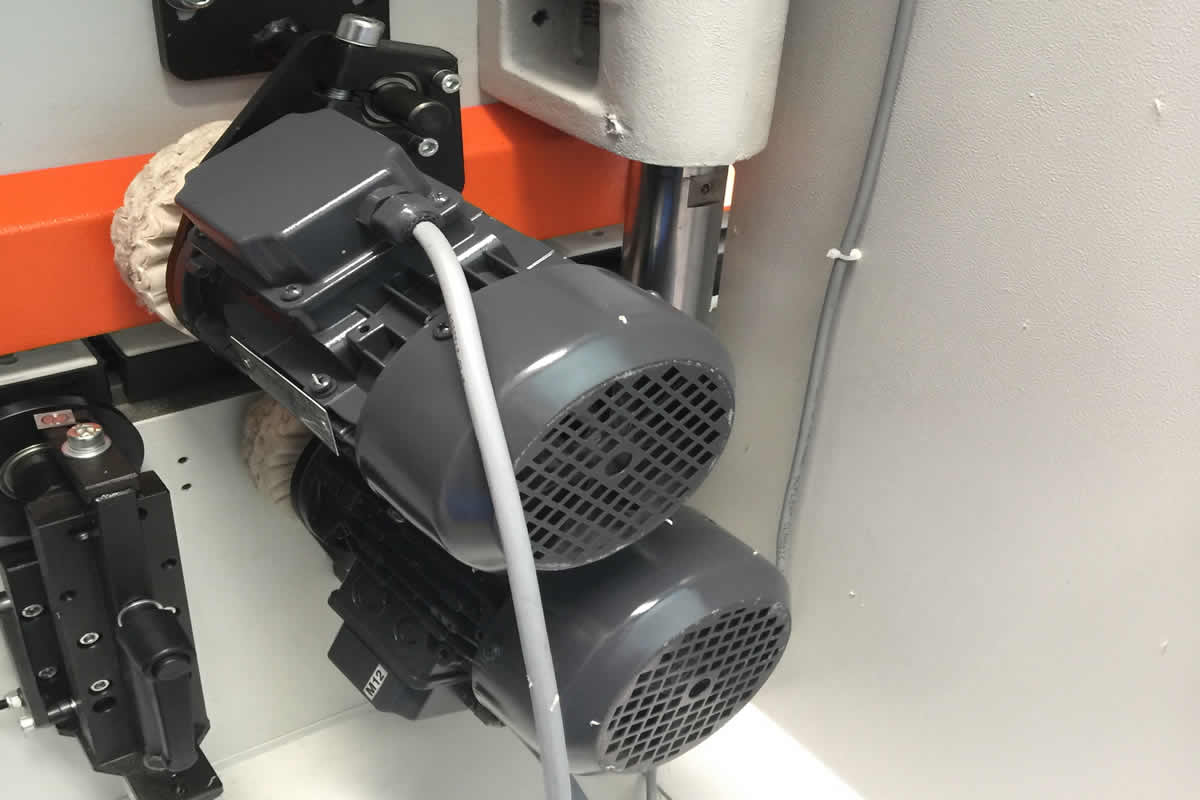
Buffing is one of the final stages of edge finishing. It helps improve the appearance of the applied edging. Consider the number of buffing units, the materials you process and the finish your customers expect. Check routine cleaning and wheel replacement requirements.

Infrared heating system for panel preparation on an edgebander
10

INFRARED HEATING & PANEL PREPARATION

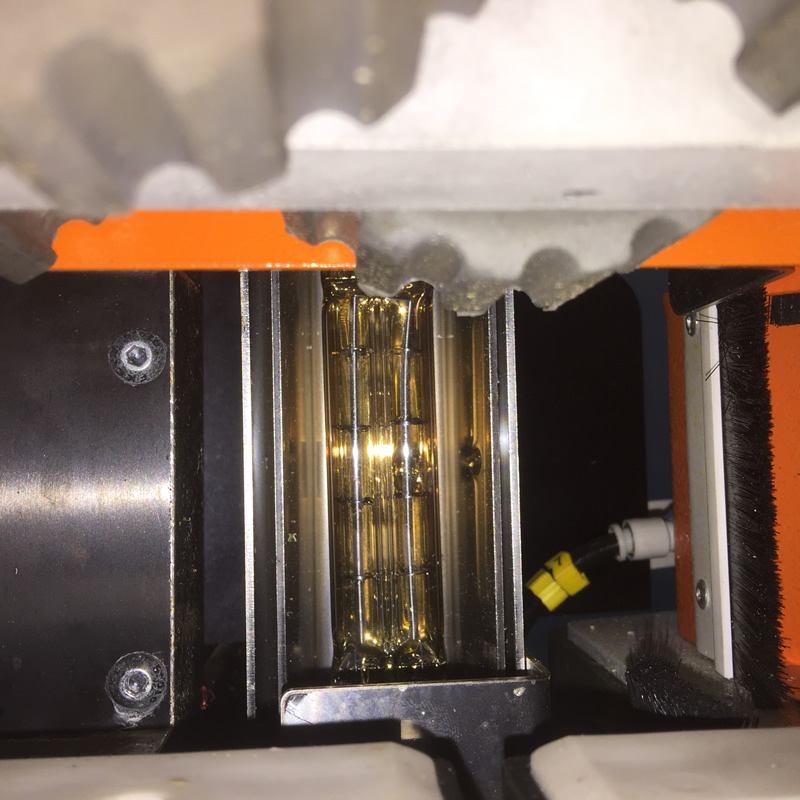
Some edgebanders use infrared heating to prepare panel surfaces before edging. This feature can be useful in cooler workshop conditions. Check if it is available on your chosen model and follow the manufacturer's operating instructions.

Release spray station on a NikMann automatic edgebander
11

RELEASE SPRAY SYSTEM

Release spray helps prevent glue residue from sticking to suitable panel surfaces during edge banding. Compare the spray system, compatible release agents and application requirements. Remember to include ongoing consumable costs.

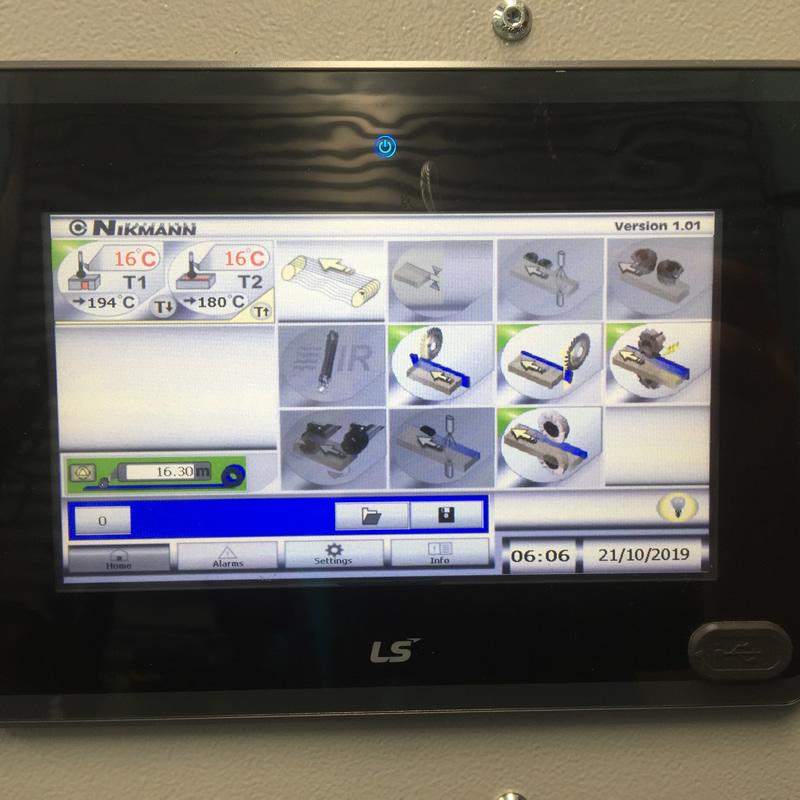
Control system for operating and adjusting an automatic edgebander
12

CONTROL SYSTEM & ADJUSTMENTS

The control system lets operators manage machine settings, functions and alarms. Look for easy operation, clear adjustments and useful diagnostic information. Also consider operator training and access to technical support.

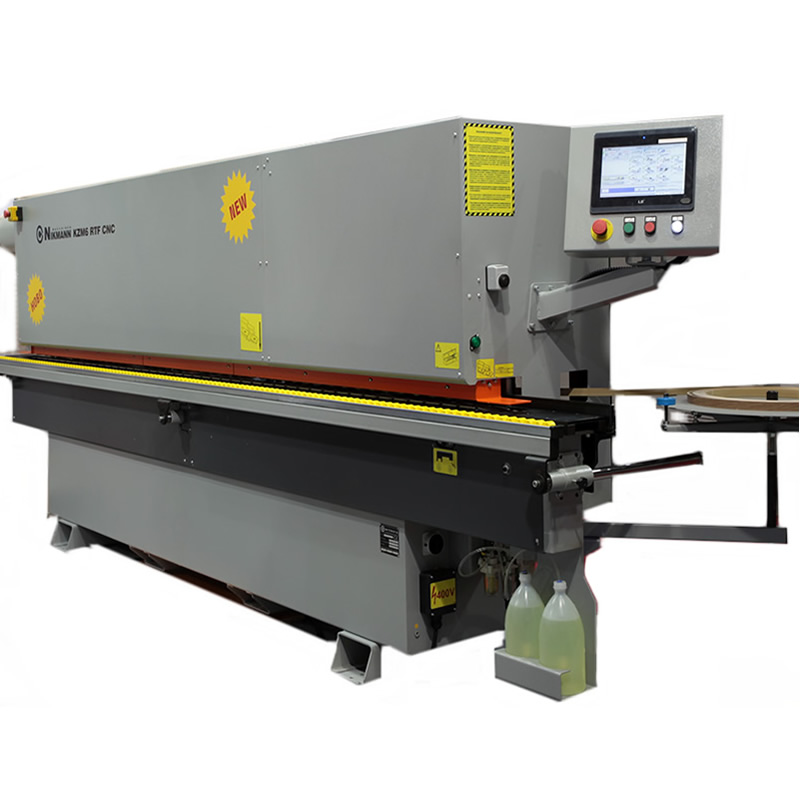
NikMann-2RTF automatic edge banding machine for professional woodworking
13

FEED SPEED, CAPACITY & MAINTENANCE

Feed speed is important, but it does not tell the whole story. Check panel thickness, minimum panel size, edging thickness and available finishing units. Also consider machine space, dust extraction, compressed air, spare parts and local service support.

Ready to Choose Your Edgebander?

Tell us about your production volume, panel materials, edge requirements and finishing goals. Forza Machinery can help you compare suitable edgebander options for your business.