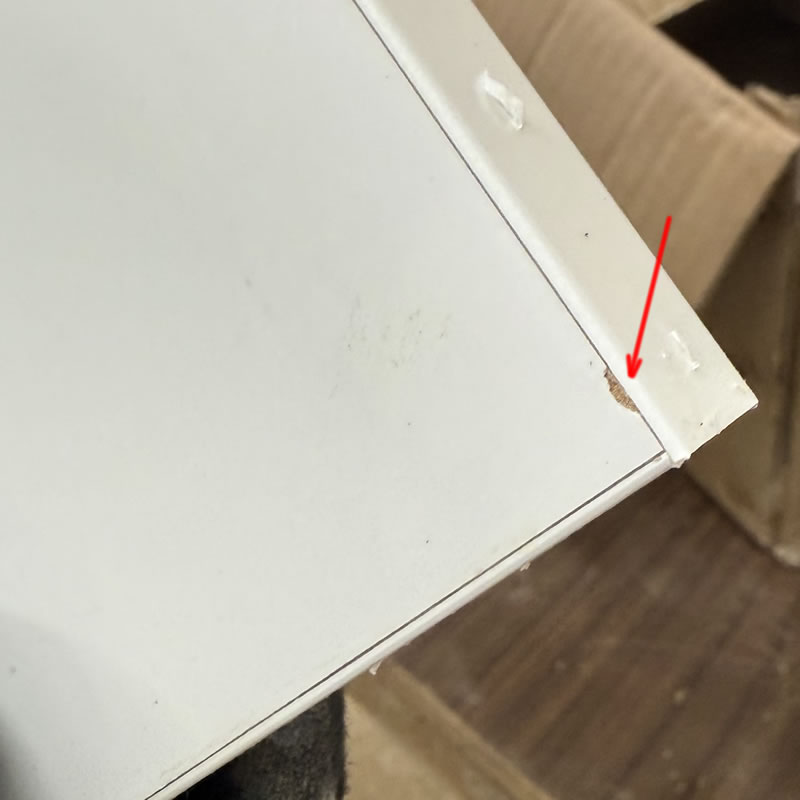
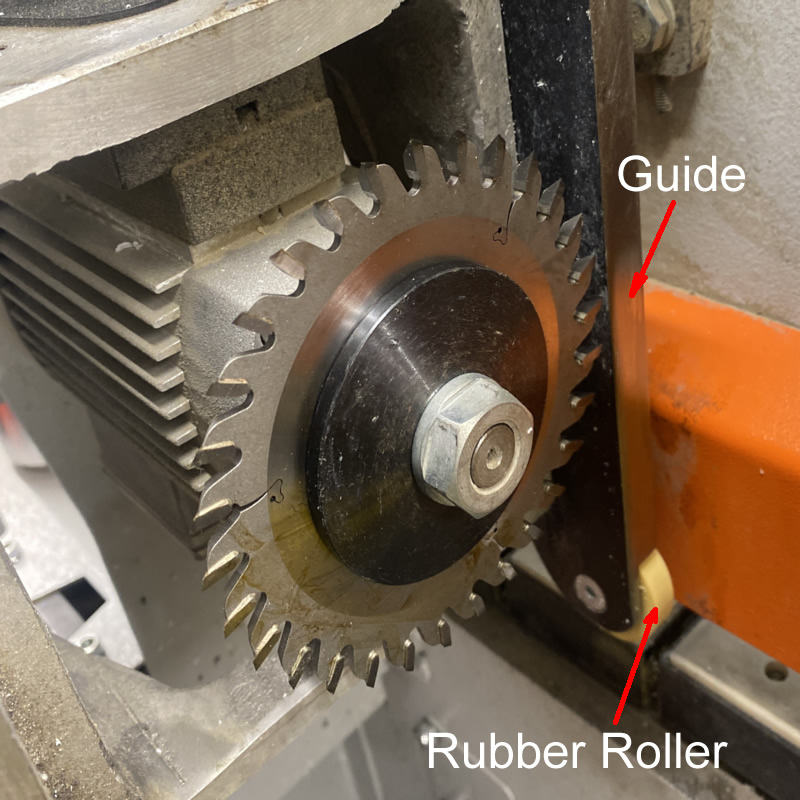
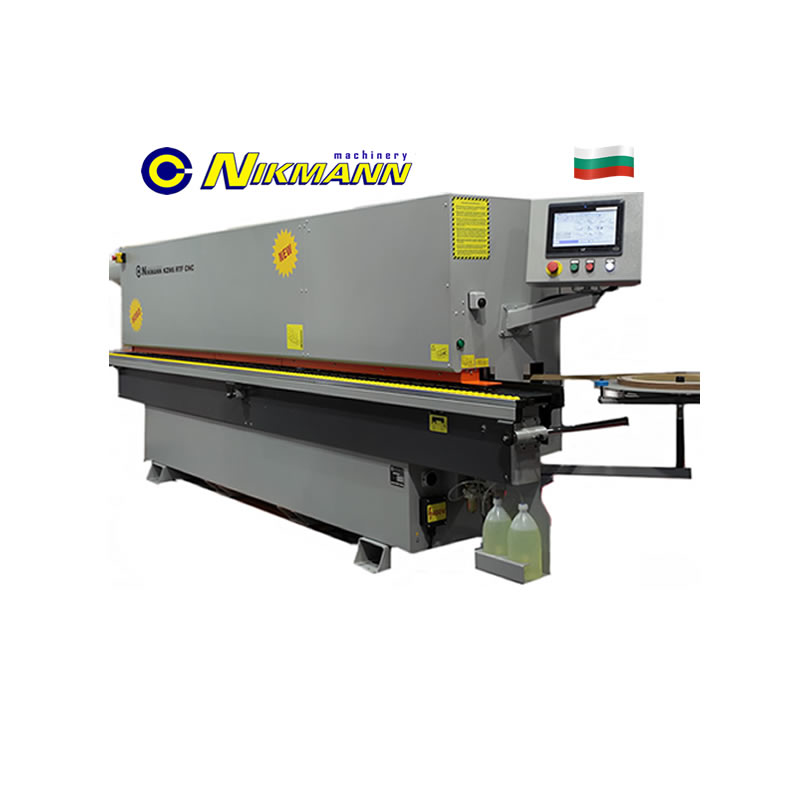
End Saw chipping at the front/back of panels during end trimming
Chipping at the panel edges during end trimming is one of the most common issues in edgebanding, especially on melamine, laminate, or high-gloss panels. It happens when the cutting process exerts
too much stress on the thin, brittle surface layer, typically at the start (front) or end (back) of the panel.
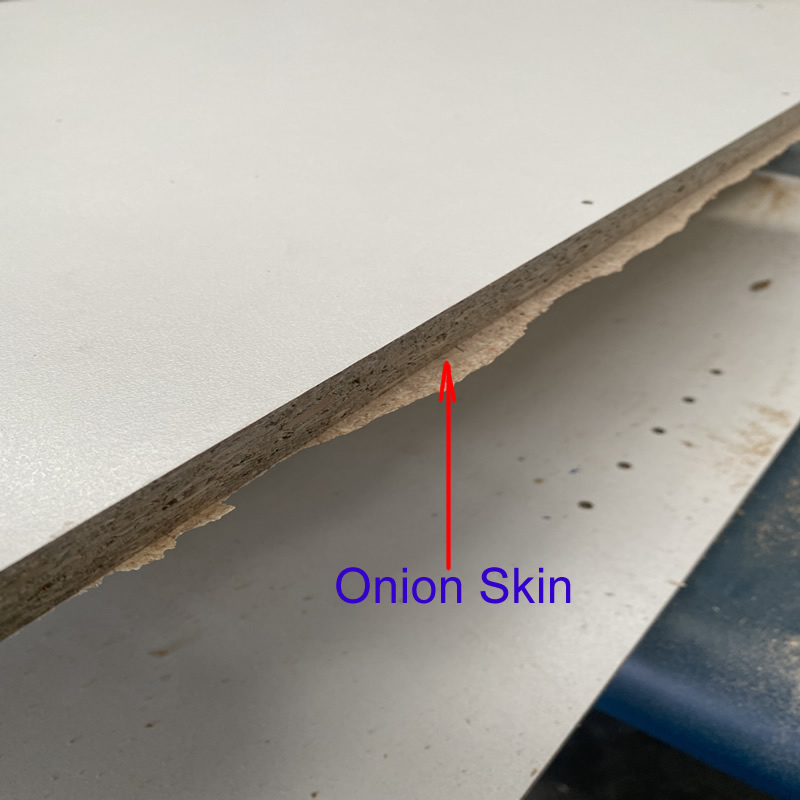
Occurs because onion skin (the thin layer of uncut material left during nesting) is not properly removed. When the edgebander's end saws (end trim units) hit that rough edge, it tears the laminate or chipboard instead of cutting cleanly.
🛠️ Solutions
✅ 1. Clean Cut-Off of Onion Skin on CNC
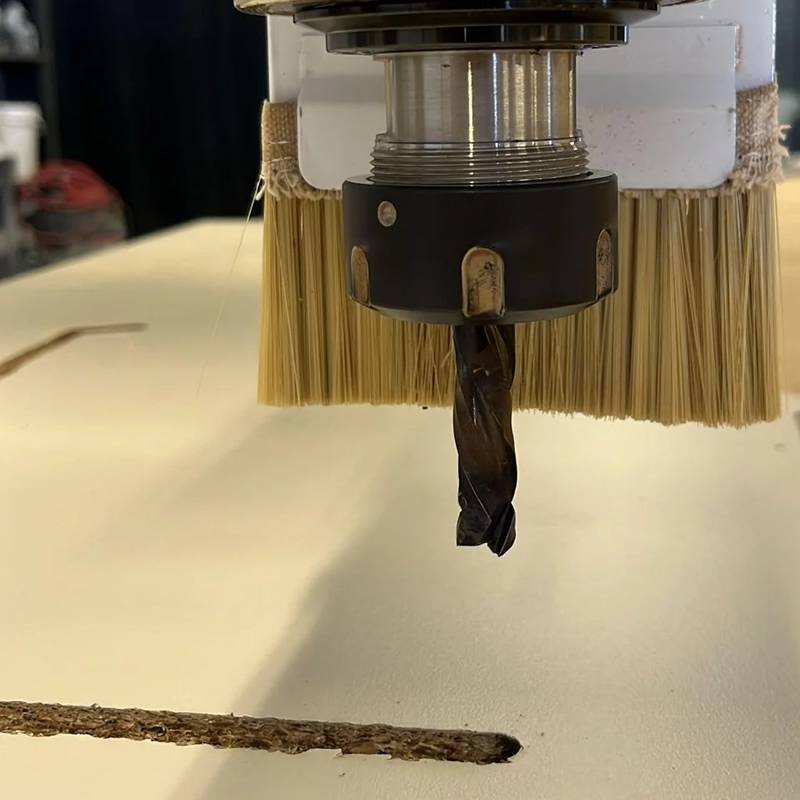
Best Solution: Program the CNC to cut fully through the onion skin using a final pass.
Option: Use a "tab removal toolpath" or final contour pass at full depth to eliminate onion skin.
Note: CNC operators should ensure the last cut is clean and leaves no splintering or fiber hanging off.
⚠️ Problem:
✅ If You See Chipping on the Edge side After Edgebanding... Don’t Blame the Edgebander!
If you notice chipping on the edge of your panels after the edgebanding process, don’t rush to blame the edgebander. In many cases, the problem starts earlier in the production line — at the CNC nesting stage.
👉 First things first: inspect your CNC cuts.
In modern woodworking workshops, nesting CNC routers are widely used to optimise sheet material usage. One common practice in nesting is leaving a thin "onion skin" at the bottom of the cut to keep small or narrow parts stable during machining. However, this leftover material can become a problem if not handled correctly.
If there’s onion skin or a rough edge left from the nesting process, the end saws or trimming units on the edgebander can catch that material and cause chipping or tearing.
That tiny “lip” left on wood edges after onion-skinning is a common CNC issue caused by tool deflection, poor hold-down, or insufficient final pass cleanup.
To prevent a tiny “lip” or ridge from being left on wood panel edges after the final pass during CNC nesting with onion skin, you need to fine-tune both your toolpath strategy and machine setup.
🔧 Why the “Lip” Happens:
That small lip is typically caused by:
Tool deflection or wear
Inaccurate Z-depth on the final pass
The onion skin being too thick
Vacuum hold-down losing grip, allowing slight movement during final cut
👷 Conclusion:
Chipping on the panel edge after edgebanding often points to upstream issues in your CNC machining process. By ensuring clean, precise cuts with no onion skin residue, you give your edgebander the clean edge it needs to deliver flawless results.
A smooth workflow from CNC to edgebander will save you time, material, and frustration — and help you achieve consistently high-quality finishes every time.