Cold Weather Edgebanding Problems
Troubleshooting guide for poor glue adhesion, cold boards, cold edgebanding material and hot melt adhesive problems during colder workshop conditions.
Why Cold Weather Can Affect Edgebanding
Cold mornings and low workshop temperatures can affect the performance of hot melt adhesives used on automatic edge banding machines.
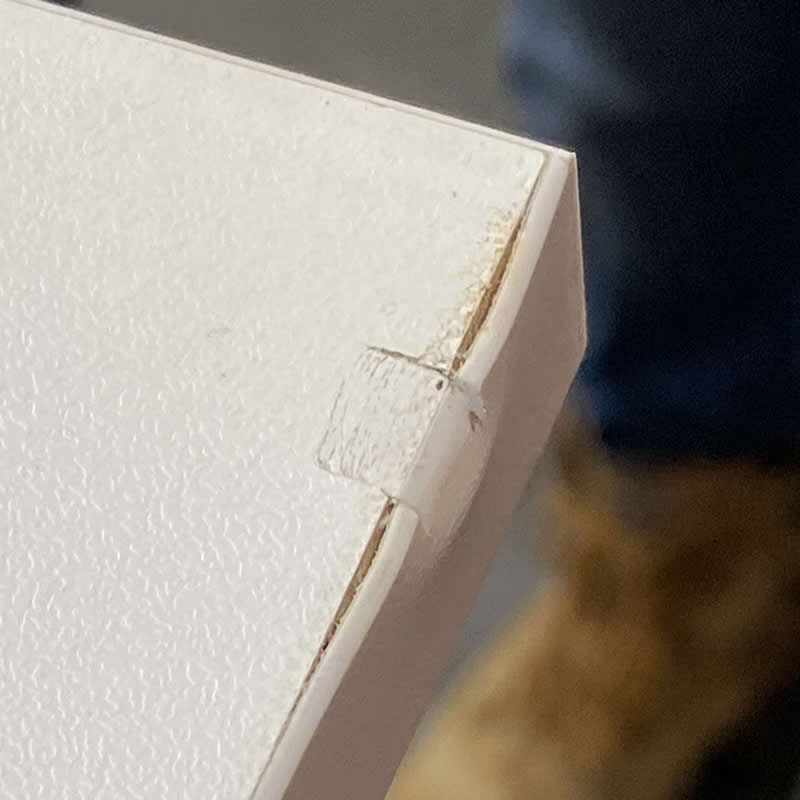
When the air, panel and edgebanding material are cold, adhesive can lose heat before the edge is correctly pressed onto the board. This can result in poor adhesion, an open glue line, edging that can be pulled away by hand, or inconsistent bonding at the beginning of a panel.
The correct settings depend on the edgebander, adhesive, edgeband material, board material, machine speed and workshop conditions.
Always follow the operating instructions supplied with your edgebander and the technical data sheet for the adhesive and edgeband being used.
Do not change adhesive temperatures or machine settings outside the manufacturer's recommendations.
Cold Weather Edgebanding Checklist
Before changing machine settings, check the basic environmental and material conditions around the edgebander.
Check whether the production area is unusually cold.
Allow cold panels to reach a suitable processing temperature.
Avoid processing material that has been stored in cold areas.
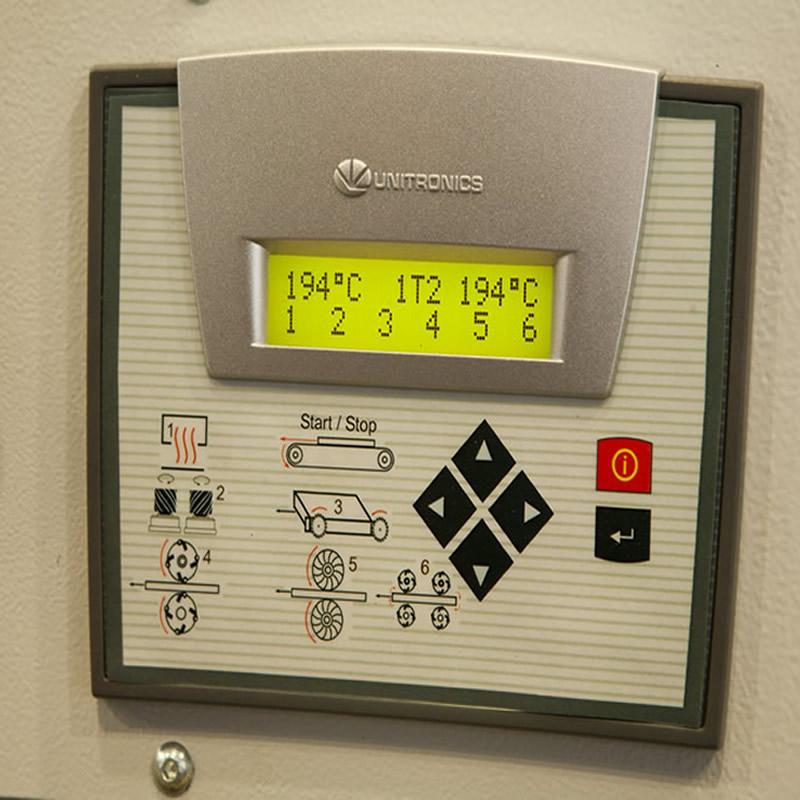
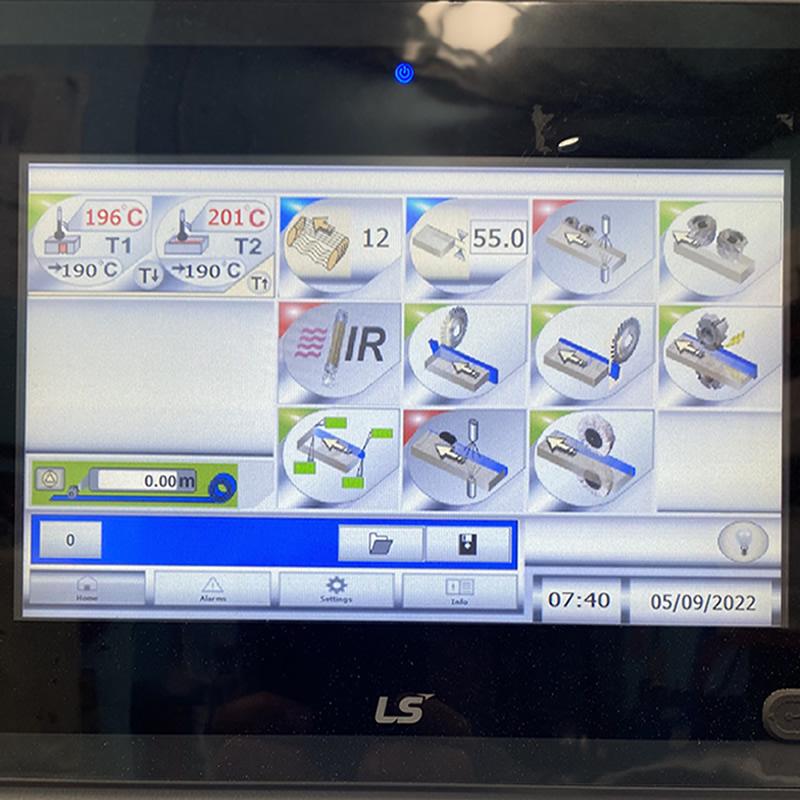
Check actual adhesive temperature rather than relying only on the machine display.
Avoid open doors, windows or airflow directly across the glue application area.
Make sure machine speed is appropriate for the adhesive being used.
Check that pressure and alignment are suitable.
Confirm the adhesive is suitable for the edgeband, machine and operating conditions.
Preparing an Edgebander for Cold Conditions
Small changes in workshop conditions and material handling can help maintain consistent edge bonding during colder weather.
Check the Glue Temperature
Verify the actual adhesive temperature with a suitable independent temperature measuring method. Machine displays and thermostats may not always represent the temperature at the adhesive application point.
Warm the Edgebanding
Store rolls away from cold concrete floors and cold environments. Allow material to reach suitable workshop temperature before processing.
Protect the Machine From Draughts
Avoid positioning the glue application area directly in the path of cold air from open doors, roller doors or windows.
Check Feed Speed
Adhesive performance is related to machine speed and application conditions. Follow the adhesive manufacturer's recommended operating range.
Check Contact Pressure
Confirm that the application and pressure rollers are correctly aligned and applying sufficient pressure to achieve full contact.
Check the Adhesive Grade
Different hot melt adhesives are designed for different machines, materials and processing conditions. Always use the adhesive recommended for your application.
Edgebanding Glue Troubleshooting Guide
Use the symptoms below as a starting point when investigating poor edge adhesion during cold weather.
| Problem / Symptom | Possible Causes and Checks |
|---|---|
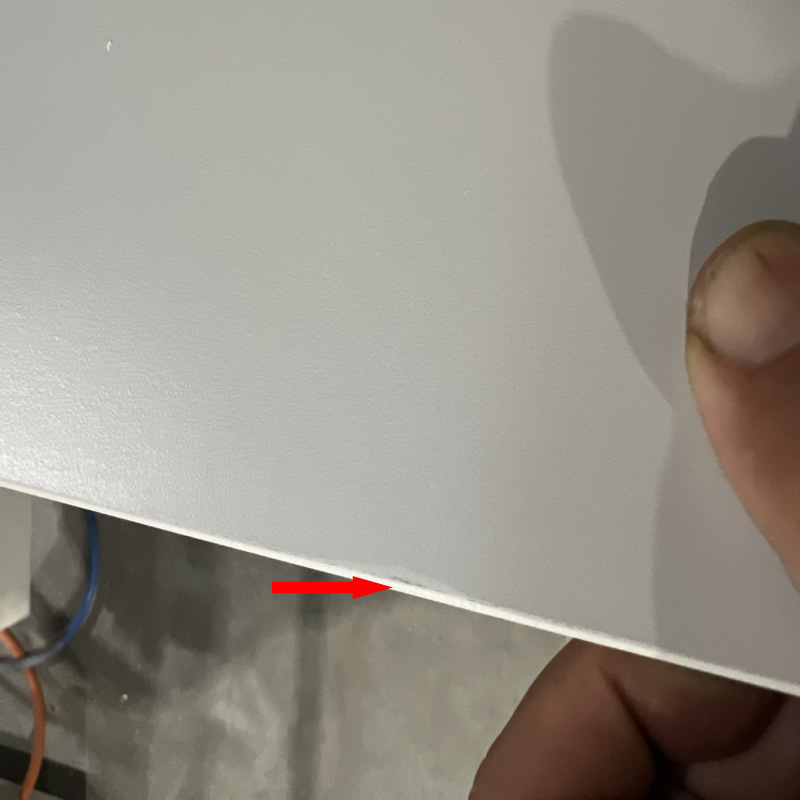
| Edging can easily be removed by hand. Adhesive transfers to the board but not the edgebanding surface. |
Possible causes:
|
| Edging pulls off easily and the adhesive remains on the board with a smooth surface. |
Possible causes:
|
| Most of the adhesive remains on the edgebanding and only a smaller amount remains on the board. |
Possible causes:
|
| No bonding at the front of the panel or the edgeband splinters away near the leading edge. |
Possible causes:
|
| Glue line is inconsistent during cold mornings. |
Possible causes:
|
Hot melt adhesives and edgebanding machines operate at elevated temperatures and contain moving mechanical components. Use the machine manufacturer's safety procedures and PPE requirements. Do not bypass guards or safety systems.
How to Store Edgebanding During Cold Weather
Material storage can have a direct effect on the conditions at the edgebander infeed.
Keep Rolls Off Cold Floors
Avoid storing edgebanding directly on cold concrete floors. Use suitable storage racks or cabinets.
Allow Material to Warm Up
Cold rolls should be allowed to reach an appropriate processing temperature before they are introduced into production.
Protect From Draughts
Avoid cold airflow around the machine infeed and adhesive application area.
Practical Winter Production Tips
If your workshop experiences large temperature changes during winter, consider the following operating practices.
Allow the machine and materials to reach suitable operating conditions.
Confirm adhesive temperature and machine settings.
Make sure boards and edgebanding are not excessively cold.
Run test pieces before starting a large production batch.
Check bonding quality regularly as workshop conditions change.
Still Having Edgebanding Problems?
If temperature and basic machine checks do not resolve the problem, the issue may involve glue application, pressure rollers, sensors, pneumatic systems, mechanical adjustment, electrical controls or another machine component.
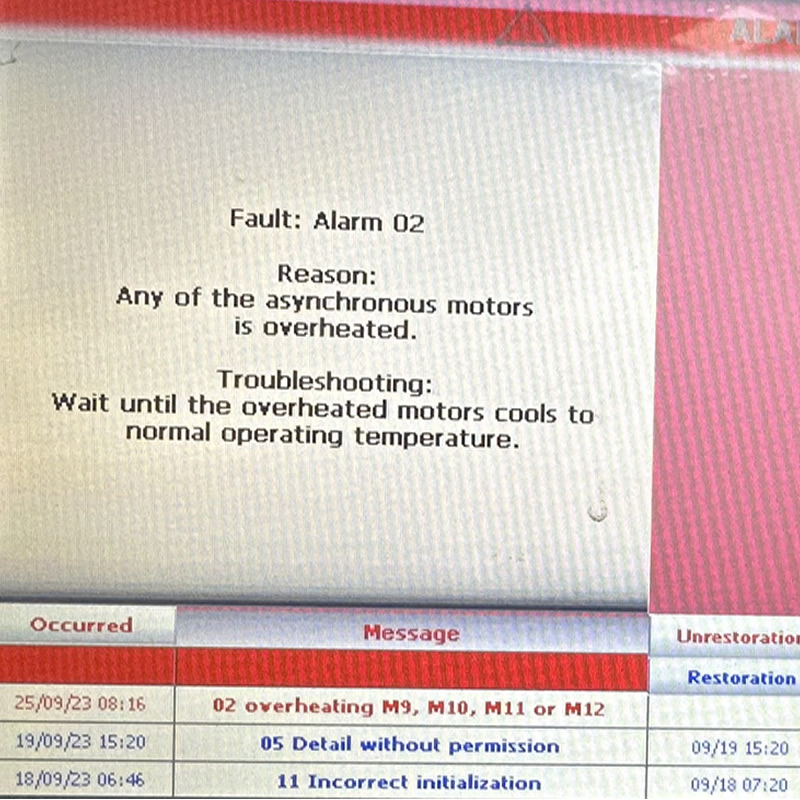
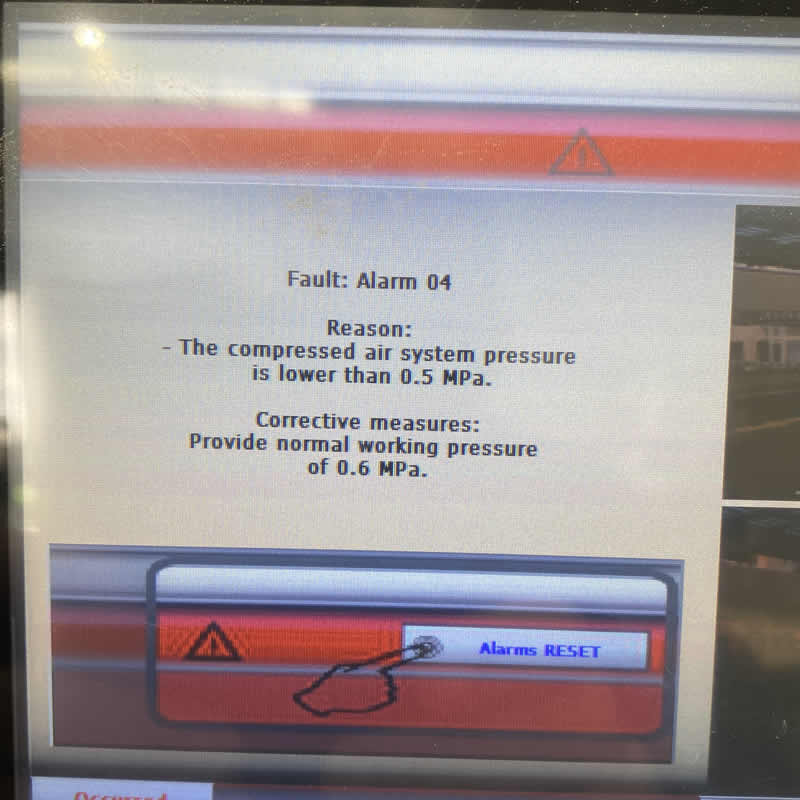
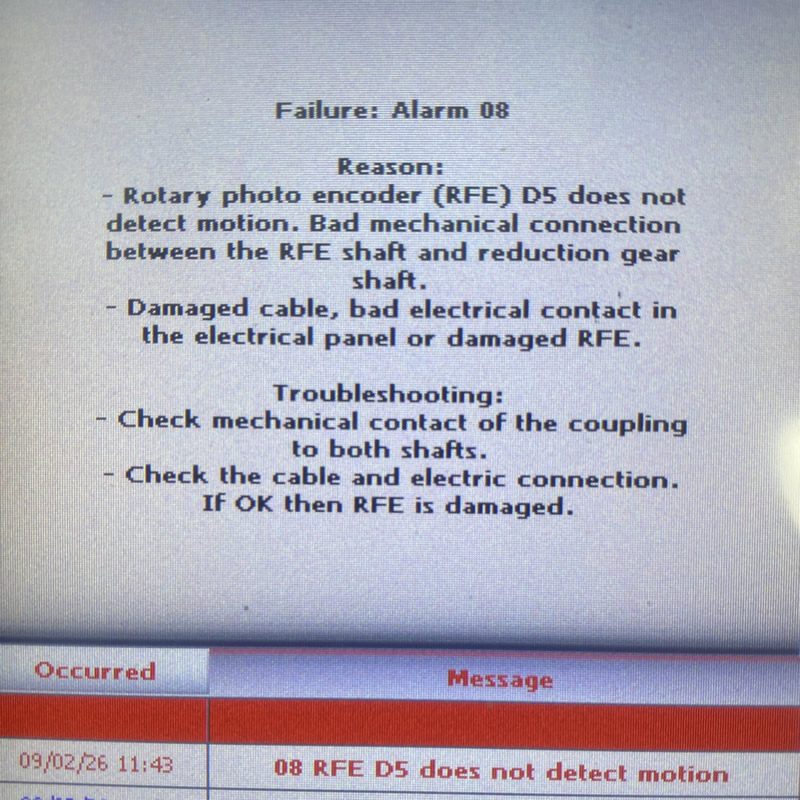
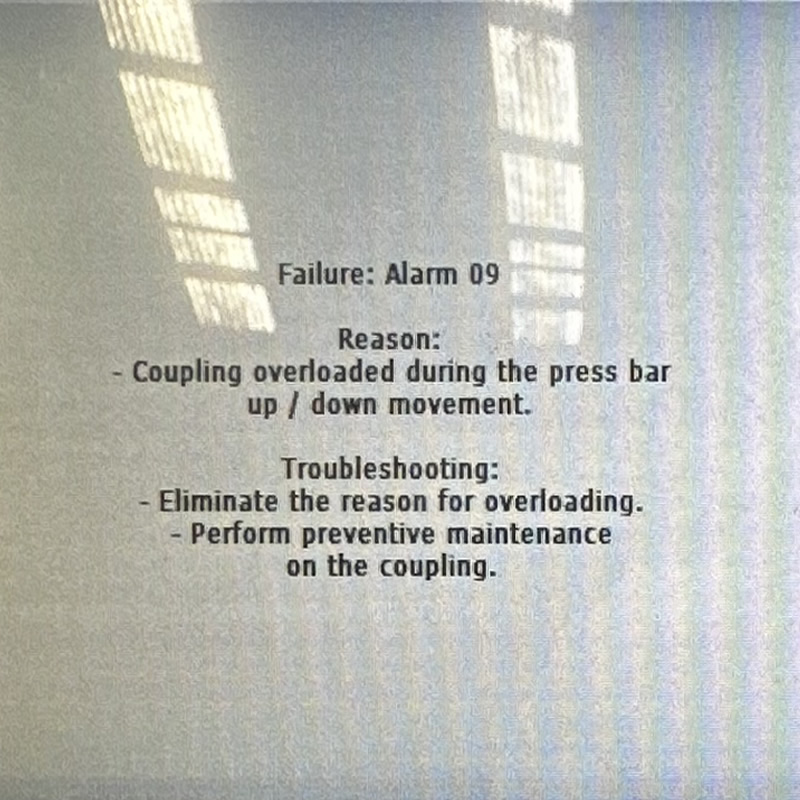
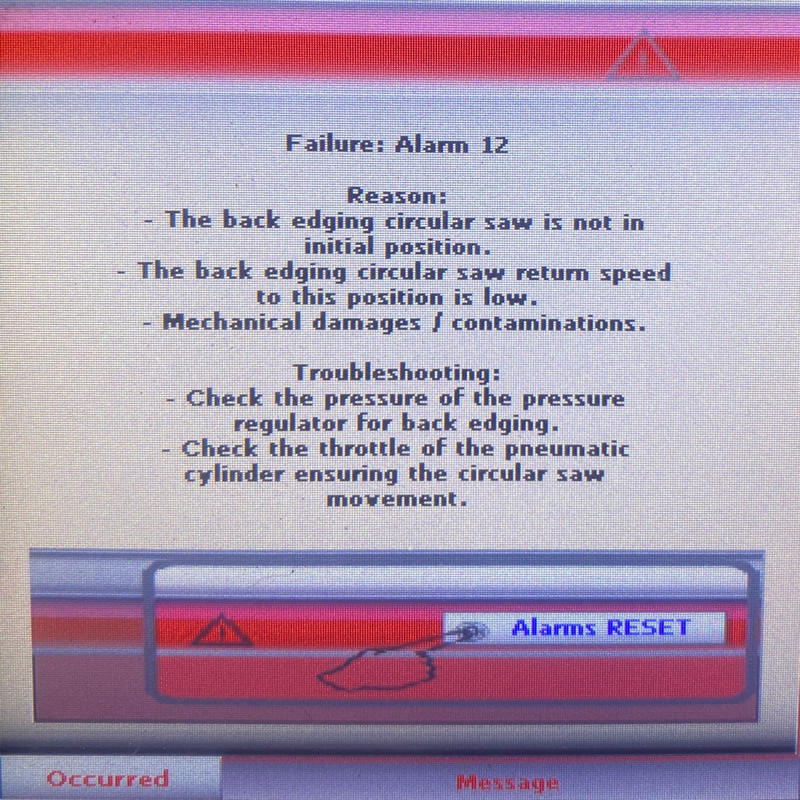
⚠️ Unitronic Errors on NikMann Edgebanders
Technical Support
Forza provides technical assistance for electrical, mechanical and pneumatic woodworking machinery problems.
Spare Parts
Replacement components can be required when worn or damaged machine parts are affecting edgebanding quality.
Cold Weather Edgebanding FAQs
Why does my edgebander have poor glue adhesion in winter?
Cold workshop air, cold boards and cold edgebanding can cause hot melt adhesive to lose heat too quickly. Check the complete process rather than changing one machine setting immediately.
Can cold edgebanding rolls cause glue problems?
Yes. Edgebanding material that has been stored in a cold environment can affect the bonding process. Allow the material to reach a suitable processing temperature before use.
Can an open factory door affect an edgebander?
A cold draught can cool the adhesive and edge material between application and pressure. Avoid direct cold airflow around the adhesive application area.
Should I increase my glue temperature in winter?
Any temperature adjustment should be based on the recommendations for the particular adhesive and machine. Do not exceed the manufacturer's specified operating range.
When should I call an edgebander technician?
If the problem continues after checking temperature, adhesive, feed speed, pressure and basic machine settings, the machine may require professional inspection or adjustment.
Technical Support for a Range of Woodworking Machinery
Forza Machinery supports professional woodworking equipment used by cabinet makers, joinery workshops, furniture manufacturers and production businesses.

Need Help With Your Edgebander?
Forza Machinery supports cabinet makers, joinery workshops, furniture manufacturers and woodworking businesses with edgebander repairs, maintenance, spare parts and technical support across Melbourne, Victoria and Australia.