The Ultimate Buying Guide

Discover how to choose the right thicknesser for your Australian cabinet making workshop. Our expert guide covers features, capacities, and tips for selecting the perfect industrial thicknesser.
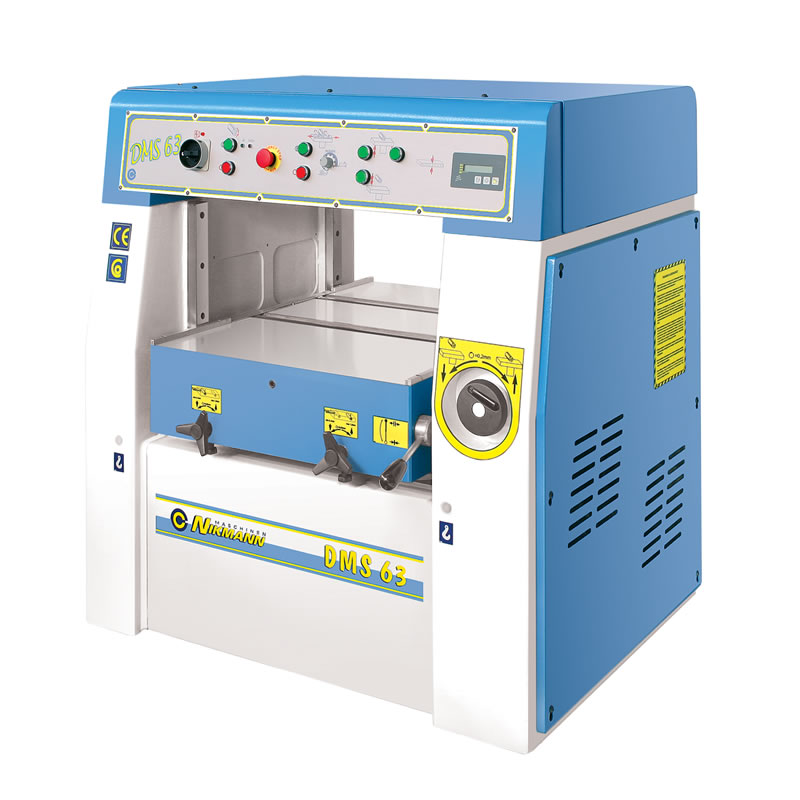
thicknessers

What’s the best industrial thicknesser for Australian workshops?

  • Budget-conscious: NikMann DMS-32 with conventional 3-knife head
  • Premium option: NikMann DMS-41 with spiral cutterblock
  • Heavy-duty professional: NikMann DMS-63 with spiral cutterhead
  • Top brands: NikMann Woodworking Machinery Technology
  • Best features: Spiral cutterheads, electronic controls, 3-phase power

What is a Thicknesser?

A thicknesser, also known as a planer in some regions, is a woodworking machine used to smooth and uniformly reduce the thickness of timber boards. It allows cabinet makers, carpenters, and woodworkers to achieve consistent board dimensions, ensuring all pieces fit together precisely in furniture, cabinetry, or other wood projects.

How does Thicknessers Work?

The machine feeds timber over a rotating cutterhead containing sharp knives or carbide inserts. As the timber passes through, the cutterhead removes material from the top surface, creating consistent thickness from one end to the other.


From Hobby to Industrial: The Key Differences:

Hobby Thicknessers:

  • Single-phase power (plugs into regular outlet)
  • 250-300mm maximum width capacity
  • Designed for occasional weekend use
  • Basic cast aluminium construction
  • Manual thickness adjustment

Semi-Professional Thicknessers:

  • Larger capacity (up to 400mm width)
  • Better build quality with cast iron tables
  • Three-phase power options
  • Suitable for small professional work

Industrial Thicknessers

  • Heavy-duty construction for continuous operation
  • 630mm - 1300mm width capacity
  • Three-phase motors (5.5-7.5kW)
  • Precision engineering (±0.05mm accuracy)
  • Electronic controls and digital readouts
  • Designed for 8+ hours daily operation

Why Upgrade to Industrial Thicknesses? If you’re processing more than 60 linear metres per week or working with valuable Australian hardwoods, industrial equipment pays for itself through time savings, consistent quality, and reduced material waste.

When You Need Industrial Grade Equipment?

The Breaking Point: Signs It’s Time to Upgrade

  • You’re spending too much time thicknessing: Your current machine takes 3+ hours for jobs that should take 30 minutes
  • Quality isn’t meeting standards: Thickness variations, burn marks, or tearout issues affecting your reputation
  • Growth is being limited: Turning down jobs because your equipment can’t handle the volume
  • Australian hardwoods are causing problems: Jarrah, blackbutt, and spotted gum overpowering your current machine

What Industrial Equipment Delivers

Productivity Gains

  • Process 80-150 linear metres per hour (vs 15-25 for hobby machines)
  • Consistent results without constant adjustment
  • Reduced setup time between jobs

Quality Improvements

  • Professional surface finish (0.8μm vs 1.2μm surface roughness)
  • Dimensional accuracy within 0.05mm
  • Minimal tearout on difficult grain patterns

Business Benefits

  • Handle larger, more profitable projects
  • Deliver consistent quality that builds reputation
  • Reduce material waste and rework costs

FORZA Machinery’s Industrial Thicknesser Range

FORZA offers multiple proven industrial thicknesser models, each available with conventional knife or spiral cutterblock options:

NikMann DMS-32 24″ Thicknesser – The Affordable Professional Choice

Key Specifications:

  • Capacity: 320mm (24″) width × 225mm height
  • Motor: 4hp three-phase
  • Feed: Single speed
  • Construction: Heavy-duty cast iron
  • Height adjustment: Manual setting
  • Dust extraction: 150mm connection
  • Drive system: Reliable 4-belt drive

Two Cutterhead Options:

NikMann DMS-32 Conventional 3-Knife Head –

Best for:

  • Budget-conscious upgrades from hobby machines
  • Straight-grained timber processing
  • Production shops focusing on volume
  • Workshops familiar with traditional knife systems

Advantages:

  • Lower initial investment
  • Quick knife changes with modern clamping
  • Excellent results on straight-grained Australian pine and plantation timber
  • Simple maintenance and familiar technology

NikMann DMS-32 Spiral Cutterblock

Best for:

  • Cabinet makers working with premium Australian hardwoods
  • Workshops processing figured timbers
  • Operations requiring superior surface finish
  • Urban workshops where noise is a concern

Advantages:

  • 50% quieter operation than conventional knives
  • Superior finish on jarrah, blackbutt, and other Australian hardwoods
  • Longer tool life – each carbide insert has 4 cutting edges
  • Minimal tearout on difficult grain patterns like birdseye or fiddleback

NikMann DMS-630 Heavy-Duty Thicknesser – The Professional’s Choice

Key Specifications:

  • Capacity: 630mm width × 300mm height (25% more height capacity)
  • Motor: 7.5kW (10hp) three-phase
  • Feed speed: Variable 5-20m/min (inverter controlled)
  • Cutterhead speed: 4,800 RPM
  • Weight: 540kg (ultra-stable construction)
  • Rise/fall: Sealed 4-column powered system
  • Controls: Digital readout with PLC automatic control
  • Special features: Sectional infeed roller, double outfeed rollers

Two Cutterhead Options:

NikMann DMS-630 Conventional 4-Knife System

Features:

  • 4 × 630mm × 30mm × 3mm HSS knives
  • Fast-change wedge clamps (not screws)
  • Traditional proven technology
  • Lower initial cost

Moto 630 Spiral Cutterhead (Standard)

Features:

  • 30 × 12mm TCT carbide inserts
  • Z6 spiral configuration
  • Spring-loaded pressure bars
  • Reduced noise and power consumption
  • Beautiful finish on difficult grain

Conventional vs Spiral Cutterheads: Making the Right Choice

Conventional Knife Systems

When to Choose Conventional:

  • Processing primarily straight-grained plantation timber
  • Budget is the primary concern
  • Staff are familiar with traditional knife changing
  • Workshop processes high volumes of similar material
  • Urban noise isn’t a significant factor

Advantages:

  • 25-30% lower initial cost
  • Familiar technology for most operators
  • Quick knife changes with modern clamping systems
  • Excellent results on straight-grained timber
  • Lower ongoing insert costs for high-volume operations

Considerations:

  • More noise during operation
  • Occasional tearout on figured or difficult grain
  • Knives require more frequent sharpening
  • Less forgiving on mixed grain patterns

Spiral Cutterhead Systems

When to Choose Spiral:

  • Working with premium Australian hardwoods
  • Processing figured timbers (birdseye, fiddleback, etc.)
  • Urban workshop with noise restrictions
  • Quality finish is paramount
  • Mixed species and grain patterns

Advantages:

  • 50% quieter operation
  • Superior surface finish on all timber types
  • Each carbide insert provides 4 cutting edges
  • Longer tool life between changes
  • Minimal tearout on difficult grain
  • Better power efficiency

Investment Considerations:

  • Higher initial cost ($2,170 more for NikMann DMS-32)
  • Individual carbide inserts can be rotated when dull
  • Lower maintenance requirements
  • Better resale value

Capacity Planning for Australian Workshops

Simple Sizing Method

Step 1: Calculate Your Weekly Volume Count how many linear metres of timber you process in a typical week

Step 2: Apply the Growth Factor Multiply by 1.5 to account for business growth and seasonal peaks

Step 3: Match to Machine Capacity

  • Under 200m/week: NikMann DMS-32 suitable
  • 200-400m/week: NikMann DMS-41 with spiral recommended
  • Over 400m/week: NikMann DMS-630 heavy-duty

Australian Timber Considerations

Common Solid Timber Widths:

  • Kitchen cabinet parts: 50-400mm typical
  • Furniture components: 100-500mm range
  • Architectural millwork: Often 300-600mm

Species-Specific Needs: Australian hardwoods like jarrah, blackbutt, and spotted gum benefit significantly from spiral cutterhead technology for best results.

Workshop Setup Requirements

Space Planning

NikMann DMS-32 Requirements:

  • Floor space: 3.5m × 2m minimum
  • Infeed clearance: Variable (dependant on timber processed)
  • Outfeed clearance: Variable (dependant on timber processed)
  • Height clearance: 2.2m

NikMann DMS-630 Requirements:

  • Floor space: 4m × 2.5m minimum
  • Infeed clearance: Variable (dependant on timber processed)
  • Outfeed clearance: Variable (dependant on timber processed)
  • Height clearance: 2.2m

Power Requirements

Both Models:

  • Three-phase 415V power supply
  • Dedicated 20-amp circuit recommended
  • Emergency stop accessible
  • Adequate lighting for operation

Dust Extraction

Essential for Health and Quality:

  • 150mm dust port (NikMann DMS-32)
  • Minimum 3HP extractor required
  • 5HP+ recommended for optimal performance
  • FORZA offers compatible dust extraction systems

Investment Considerations

Return on Investment

Typical Payback Period:

  • NikMann DMS-32: 8-12 months for workshops processing 100+ linear metres weekly
  • Moto 630: 12-18 months for high-volume operations

Cost Savings:

  • Reduced labour time: 60-75% faster than hobby machines
  • Less material waste: ±0.05mm accuracy vs ±0.2mm amateur equipment
  • Improved quality reduces rework and callbacks

Why Choose FORZA Machinery?

Australian-Owned Expertise

  • 100% Australian-owned and operated since 2008
  • Deep understanding of local timber species and conditions
  • Personal service from experienced professionals

Comprehensive Support

  • Warranty:12-month comprehensive parts and labour
  • Installation: Professional setup and commissioning
  • Training: Comprehensive operator training included
  • Service: Nationwide technician network for fast support

Proven Track Record

  • Thousands of NikMann machines installed across Australia
  • Partnership with NikMann Technology since 2005
  • Established dealer network for comprehensive coverage

Ready to Transform Your Workshop Productivity?

Whether you’re upgrading from a hobby machine or expanding your professional capacity, FORZA’s industrial thicknessers deliver the reliability, precision, and performance Australian workshops demand.

Contact FORZA Machinery today to:

  • Schedule a machine demonstration at our showrooms
  • Discuss your specific timber processing requirements
  • Explore financing options and current incentives
  • Connect with our technical specialists for expert advice

Get Started Now:

Phone:1300 4 FORZA
Email: info@forza-group.com
Showroom location:Victoria


Frequently Asked Questions

🔹 How much space do I really need?

For the NikMann DMS-32, allow 3.5m × 2m floor space plus what ever you need for infeed and outfeed clearances based on your need. The NikMann DMS-630 requires 4m × 2.5m floor space with additional clearances.

🔹 What if I only have single-phase power?

Unfortunately, both industrial models require three-phase power for optimal performance. FORZA can advise on phase converter options or recommend suitable single-phase alternatives.

🔹 How long do cutting tools last?

Spiral carbide inserts: 800-1,500 hours (each insert has 4 cutting edges). Conventional knives: 150-400 hours. Australian hardwoods reduce tool life 30-50% compared to softwoods.

🔹 What’s included with my purchase?

FORZA Machinery provides comprehensive 12-month warranty, professional installation, operator training, and access to our nationwide service network.

🔹 Which cutterhead should I choose?

Choose spiral cutterheads if you work with Australian hardwoods, figured timbers, or need quiet operation. Choose conventional if budget is primary concern and you process mainly straight-grained plantation timber.

Summary

Industrial thicknessers represent one of the most impactful equipment upgrades for Australian workshops. The productivity gains, quality improvements, and business growth opportunities typically deliver return on investment within 12-18 months.

For most Australian cabinet makers and furniture manufacturers, the NikMann DMS-32 with spiral cutterblock provides the optimal balance of capacity, features, and value. Budget-conscious workshops can achieve excellent results with the NikMann DMS-32 conventional model, while high-volume operations benefit from the premium NikMann DMS-630 heavy-duty model.

The key is matching the equipment to your specific needs rather than over-buying or under-buying capacity.

FORZA Machinery’s 30+ years of experience helping Australian workshops, combined with NikMann’s proven technology and comprehensive local support, provides the foundation for a successful equipment investment.

Take the next step: Contact FORZA today for a personalised assessment of your thicknesser requirements and experience the difference industrial-grade equipment makes to your workshop productivity and profitability.

This guide represents current information as of August 2025. Contact FORZA Machinery for the most up-to-date pricing, specifications, and availability for your specific requirements. Installation and delivery costs are not included in this document.

How to Choose the Right Woodworking Machinery for Your Workshop in Australia