Industrial Sanding Machines for Sale Australia-Wide
HOW TO MAINTAIN YOUR SANDING MACHINE
Based in Melbourne, Forza Machinery supports woodworking businesses across Australia with machine supply, installation, repairs, spare parts, and technical assistance.
Request a Quote Call 1300 4 FORZAIndustrial sanding machines are the backbone of Australia’s manufacturing and woodworking industries.
Whether you operate a furniture workshop in Melbourne or a timber processing plant in Queensland, keeping your sanding equipment properly maintained is essential for consistent productivity, improved safety, and maximising your long-term investment.
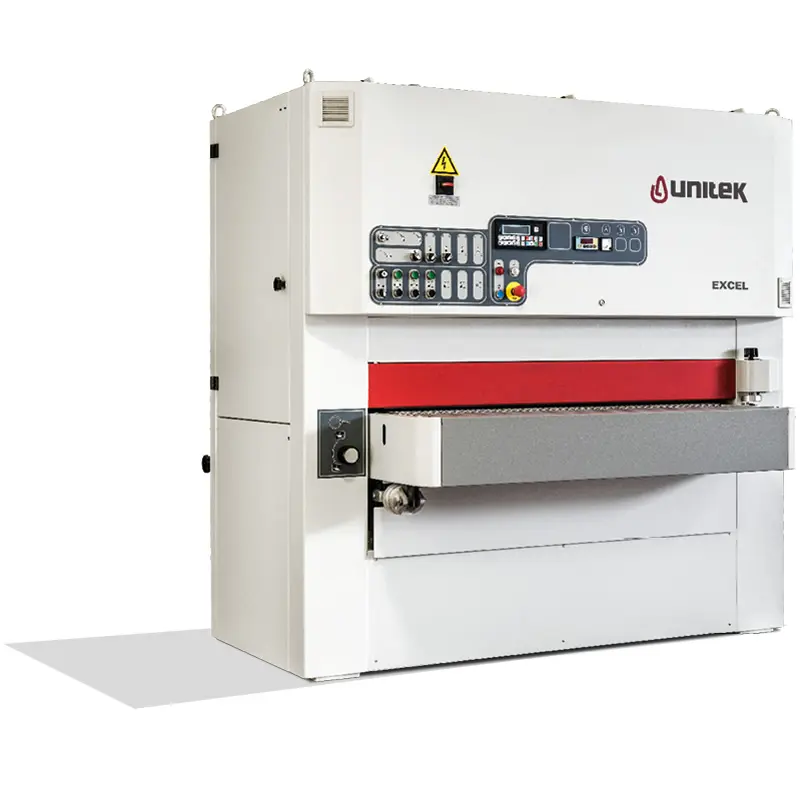
Table of Contents
- ✅ Understanding Your Sanding Machine’s Components
- ✅ Daily Maintenance Routine for Maximum Performance
- ✅ Weekly Cleaning and Inspection
- ✅ Monthly Comprehensive Maintenance
- ✅ Abrasive Belt and Drum Care
- ✅ Troubleshooting Common Sanding Machine Issues
- ✅ Safety Considerations for Woodworking Workshops
- ✅ Professional Servicing & Support from Forza Machinery
- ✅ Maximising the Lifespan of Your Industrial Sanding Machine
- ✅ Conclusion
Understanding Your Sanding Machine’s Components
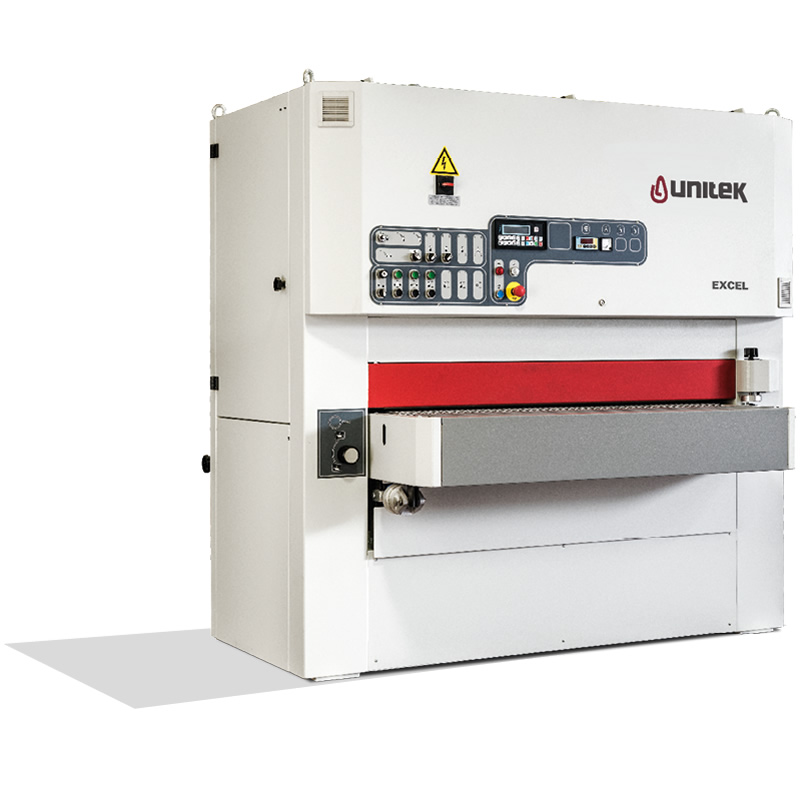
Before carrying out any maintenance, it’s important to understand the key components of your industrial sanding machine. Most machines include a motor-driven drum or belt system, a dust extraction unit, feed rollers, and safety guards. Each part requires proper care to ensure reliable performance.
The abrasive belt or drum is the most critical element, as it directly influences the final finish on your workpieces. Regular checks of these components help prevent unexpected downtime and maintain consistent sanding quality.
Daily Maintenance Routine
A solid daily maintenance routine keeps your sanding machine running efficiently. Start each shift with a visual inspection of all moving parts, looking for wear, damage, or loose fittings.
Clean the dust extraction system thoroughly. Accumulated dust not only reduces performance but can also create a fire hazard. Empty dust bags or bins before they’re full, and check filters for blockages that can restrict airflow.
Inspect the abrasive belt or drum for proper tension and alignment. Misalignment causes uneven sanding, vibration, and premature wear. Always ensure safety guards are correctly fitted before operation.
Weekly Cleaning and Inspection
Once a week, complete a more detailed inspection. Lubricate all grease points according to the manufacturer’s guidelines—paying close attention to bearings, chains, and other high-wear components.
Check the feed rollers for resin or adhesive build-up that may affect smooth material feeding. Clean these areas using suitable solvents and allow them to dry completely before use.
Inspect all electrical connections for signs of corrosion or looseness, and confirm that safety switches and emergency stop systems are functioning correctly.
Monthly Comprehensive Maintenance
Monthly maintenance should focus on the motor and drive systems. Check drive belt tension and replace any belts showing cracks or excessive wear.
Inspect dust extraction ducting for blockages, leaks, or damage. Clean or replace filters as needed, and ensure all fittings are properly sealed.
Calibrate machine settings to maintain consistent performance and record any adjustments for future reference.
Abrasive Belt and Drum Care
The state of your abrasive belts or drums has a direct impact on sanding quality and machine efficiency. Look for signs of glazing, loading, or uneven wear.
Replace abrasives before they are fully worn to avoid damaging workpieces or overloading the motor. Keep a supply of spare belts or drums to minimise downtime.
Store unused abrasives in a cool, dry location to prevent moisture damage and preserve effectiveness.
Troubleshooting Common Problems
Identifying issues early can save time and repair costs. Excessive vibration may indicate misalignment or damaged components, while poor sanding results typically point to worn abrasives or incorrect machine settings.
If dust levels are unusually high despite a functioning extraction system, check for air leaks or worn seals. Strange noises during operation should never be ignored—they often signal a developing mechanical fault.
Safety Considerations
Safety must always come first. Disconnect the machine from power before performing any maintenance, and follow proper lockout/tagout procedures.
Wear suitable PPE, including eye protection, dust masks, and hearing protection. Take extra care when working near moving parts or when handling cleaning chemicals.
Professional Servicing and Support from Forza Machinery
Routine maintenance prevents many issues, but some tasks are best handled by qualified technicians. Schedule an annual professional service to detect hidden problems and avoid unexpected breakdowns.
Maintain detailed service records noting dates, replaced parts, and any issues found. These records support warranty claims and help identify recurring patterns that may indicate underlying problems.
Maximising Equipment Lifespan
Effective maintenance does more than prevent failures—it improves efficiency, enhances output quality, and extends the life of your equipment. Regular care also ensures compliance with workplace safety and insurance requirements.
Consider adopting a preventative maintenance plan that goes beyond the manufacturer’s basic recommendations, especially in harsh Australian environments where heat, dust, and humidity accelerate wear.
Conclusion
Maintaining your industrial sanding machine requires consistency and attention, but the payoff is significant. With proper care, your equipment will run reliably, deliver high-quality results, and help minimise downtime.
By following these maintenance practices, you’ll maximise performance, extend equipment lifespan, and strengthen your operation’s productivity and profitability.
If you’re looking to upgrade your sanding capabilities, Forza Machinery offers a full range of industrial sanding machines built for Australian conditions. Our team can help you choose the ideal machine and provide ongoing support to ensure peak performance. Contact Forza Machinery today to explore solutions that can boost efficiency and elevate your production output.
RELATED MACHINERY SERVICES
How to Choose the Right Woodworking Machinery for Your Workshop in Australia