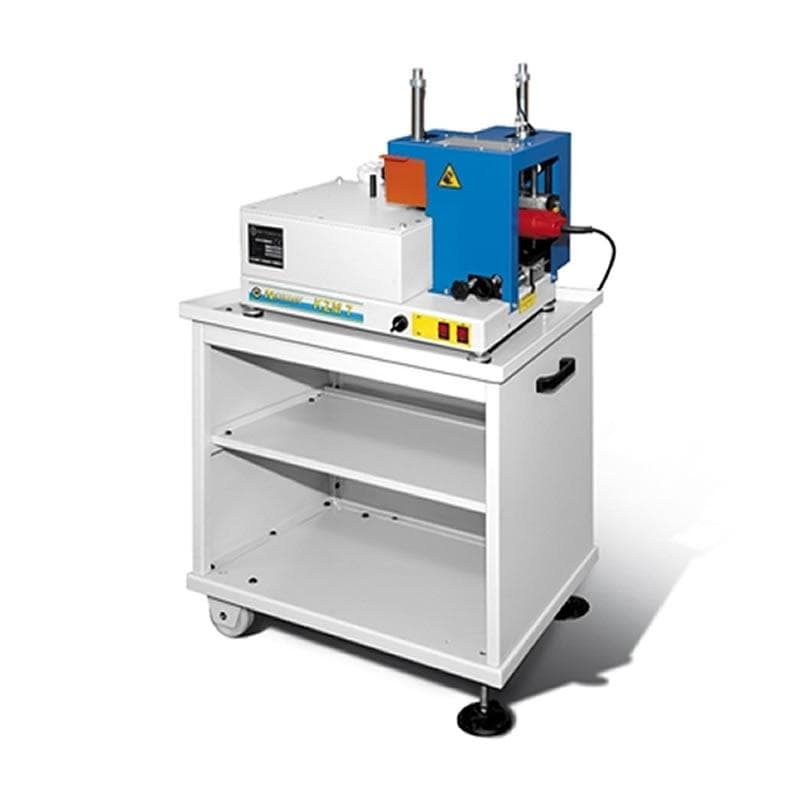
What Is an Edgebander?
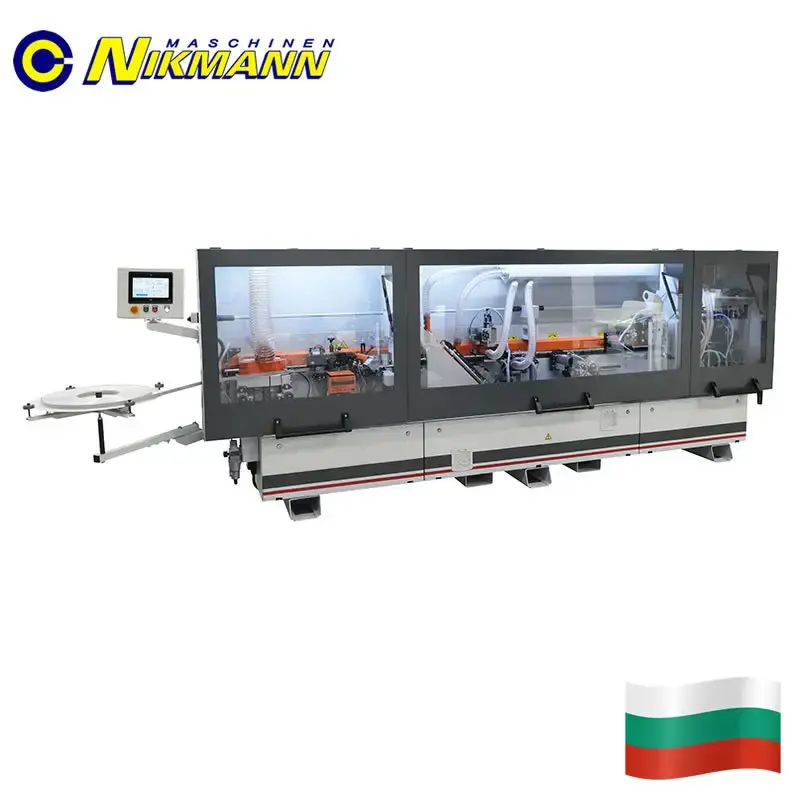
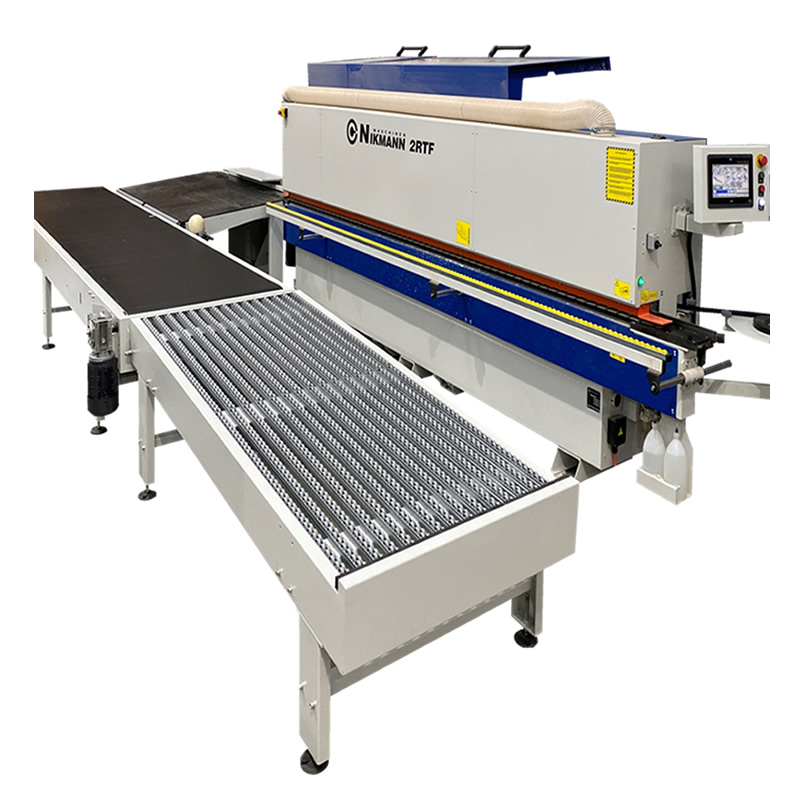
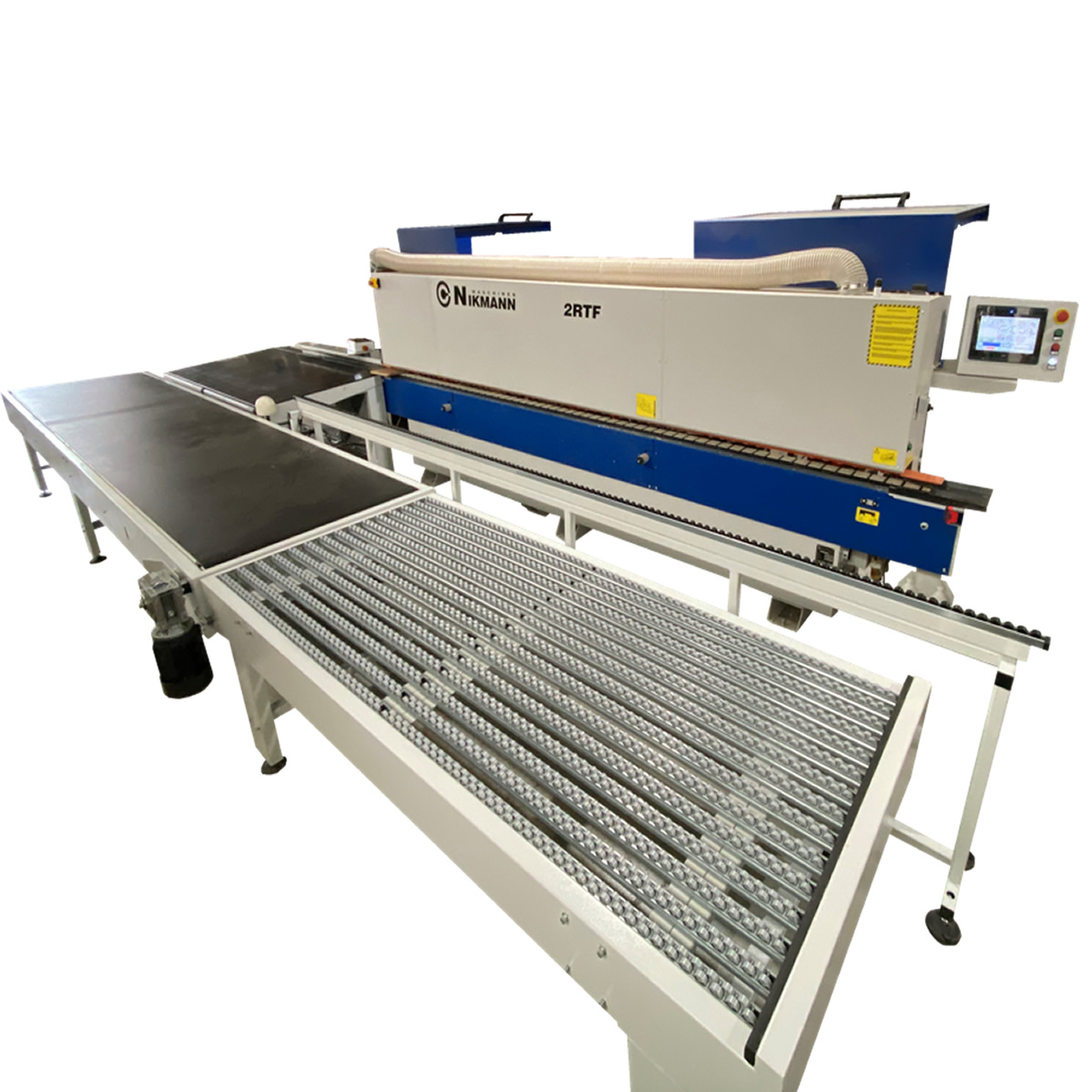
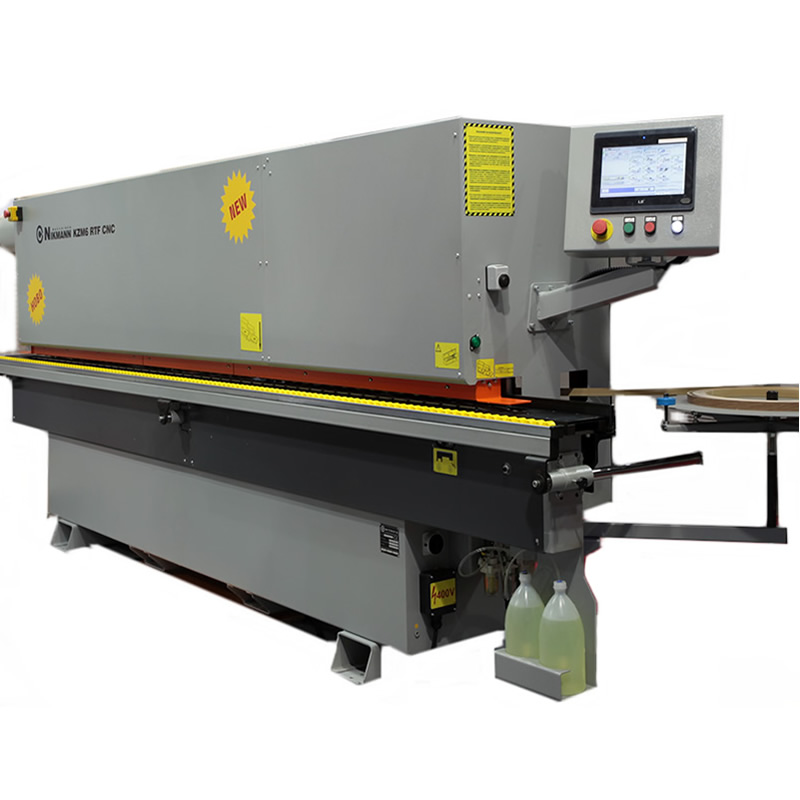
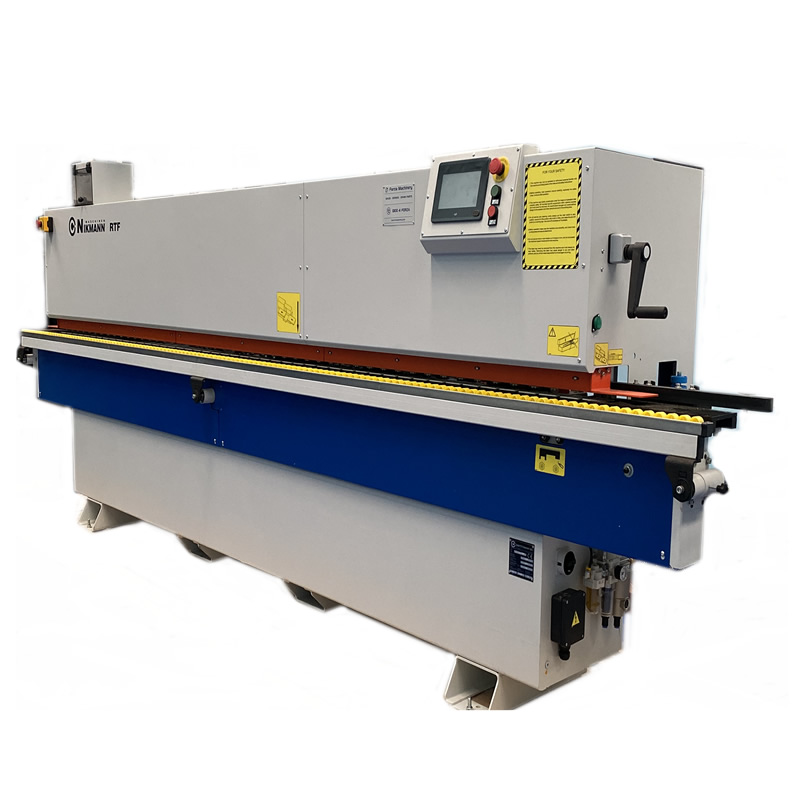
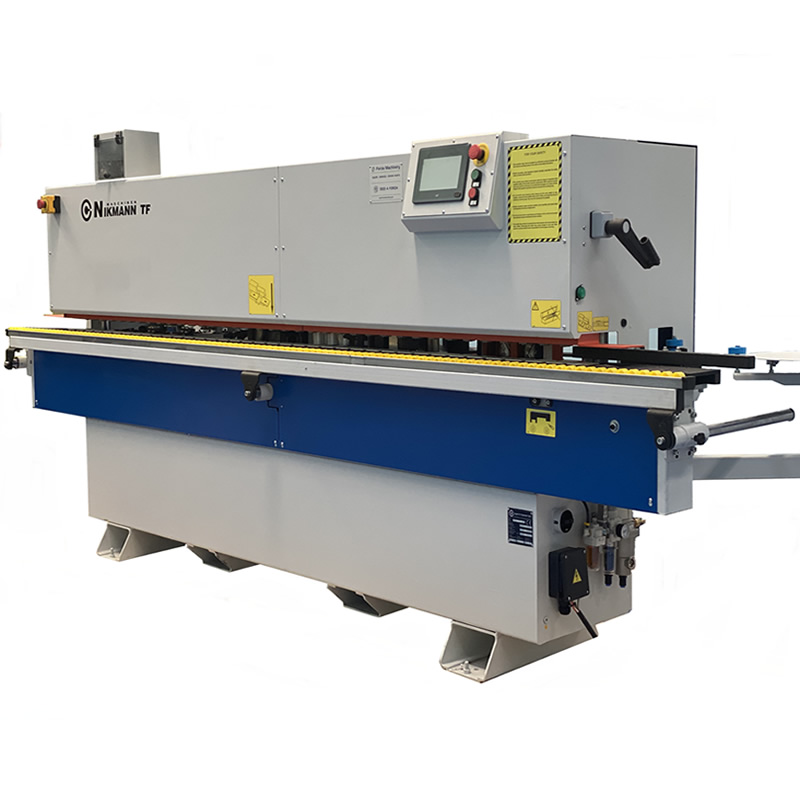
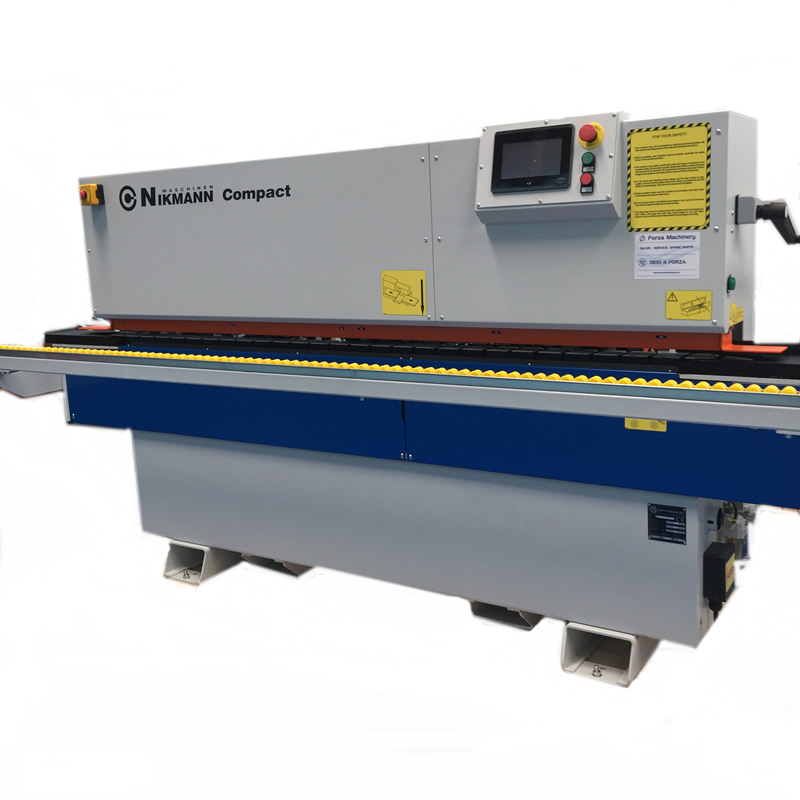
An edgebander is a woodworking machine designed to apply edge banding material—such as PVC, ABS, melamine, veneer, or solid timber—to the exposed edges of panels made from MDF, particleboard, or plywood.
The process seals and finishes the panel edge, giving cabinets a clean, professional appearance while protecting them from damage.
Edgebanders dramatically increase workshop efficiency by:
Consistency is key when delivering multi-unit projects or repeat commercial jobs.
A professional edgebander ensures a seamless finish, protects edges from moisture and wear, and reduces secondary finishing work—critical for producing high-quality cabinets, drawers, and furniture pieces.
Choosing the right industrial edgebander is one of the most important decisions for cabinet makers looking to improve production efficiency and product quality.
Types of Edgebanders for Different Production Scales
1. Small-Scale Production Solutions
For small workshops or startups:
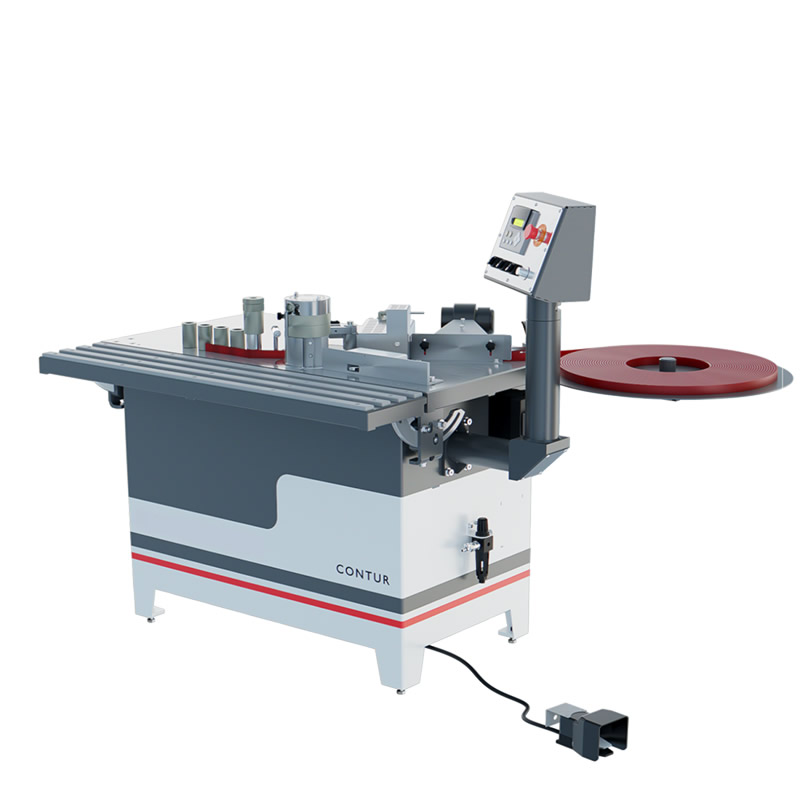
- Entry-Level Machines: Compact units with basic functions like gluing, end trimming, radius trimming, and buffing. Ideal for low-volume production.
- Manual/Handheld Edgebanders: Suitable for simple edge banding tasks, such as corner shelves or occasional projects.
Specifications to Consider:
- Feed speed: 6–8 m/min
- Edge thickness: Up to 3mm
- Panel thickness: 10–50mm
Limitations: These machines are not designed for high-volume production and may become a bottleneck as your business grows.
2. Medium-Scale Production Solutions
For workshops producing 2–5 kitchens weekly:
These features save time and reduce secondary finishing work, essential for Australian joinery operations.
3. High-Volume Production Solutions
For large-scale operations producing numerous kitchens per week:
Industrial-Grade Machines: High-speed edgebanders with multiple functions, including pre-milling, glue application, corner rounding, trimming, scraping, and buffing.
Key Features:
Feed speed: 24+ m/min
Advanced glue systems with temperature control
Multiple radius corner rounding
High-frequency motors for superior edge finish
Automated settings for material thickness and speed
These machines provide maximum efficiency, consistent quality, and reduced setup times, making them ideal for high-output workshops.
Key Features and Specifications to Evaluate
Glue Application Systems
EVA (Ethyl Vinyl Acetate): Cost-effective, commonly used in Australian workshops.
PUR (Polyurethane Reactive): Stronger, moisture-resistant bond, ideal for humid Australian conditions.
Laser Edgebanding: Premium finish with no visible glue line.
Edge Material Compatibility
PVC/ABS: Flexible, durable, and available in multiple colours and thicknesses.
Wood Veneer: Natural finish, can be stained or painted.
Polypropylene (PP): Eco-friendly, water-resistant, ideal for coastal regions.
Edge Thickness Recommendations:
Processing Units
Essential processing units include:
Pre-milling
Glue application
Edge feeding
End cutting
Top/bottom trimming
Corner rounding
Scraping
Buffing
Control Systems
Basic Models: Manual adjustments
Mid-Range: Digital controls for feed and temperature
Advanced: Programmable settings with memory functions and precise temperature control
Making the Right Investment
When purchasing an edgebander, consider long-term production needs rather than just immediate requirements. Investing in quality machines reduces downtime, increases efficiency, and provides better value over the machine’s lifetime.
Typical Price Ranges in Australia (AUD):
Entry-level: $4,000–$20,000
Mid-range: $30,000–$60,000
Industrial: $60,000+
Quality machines have lower operating costs and longer service life, making them a smarter investment for Australian workshops.
Service, Support, and Testing
Forza Machinery provides expert service, local support, and spare parts for all edgebanders, ensuring minimal downtime. Testing machines with your own materials before purchase is highly recommended.
Many Australian suppliers, including Forza Machinery, offer demos and factory visits for a hands-on evaluation.
Conclusion
Choosing the right edgebander for your cabinet making workshop requires careful consideration of production scale, future growth, and specific material requirements. By evaluating feed speed, processing units, glue systems, and control features, you can select a machine that balances efficiency, quality, and budget.
Forza Machinery offers a comprehensive range of industrial edgebanders and woodworking machines in Australia, supported by expert advice and nationwide service. Contact our team today to find the perfect edgebander for your workshop and elevate your cabinet making operations.